It’s been a journey. From experiments with hydrogen balloons, to actual hydrogen lifts and a full-blown demo flight, Phase I of the H2Use airship project is officially wrapped.
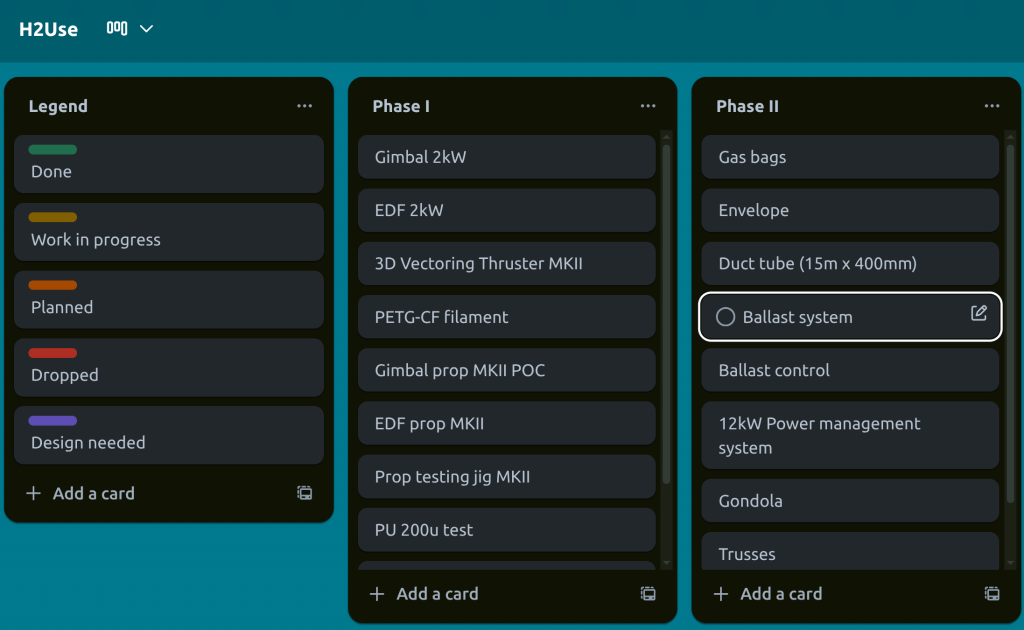
Let’s rewind for a sec. Our roadmap has been public from the start – our Trello board laid out Phase I goals and, give or take a few, we delivered.
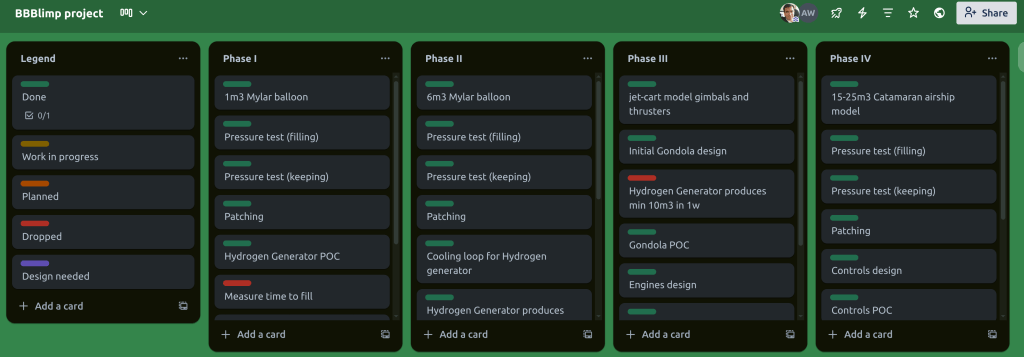
Our very first website post goes all the way back to June 4, 2020 at 2:11 AM and the Trello plan first hit the blog around December 19, 2021. Since then, the real magic happened inside the Projects section — our testing ground for everything we needed to make flying with hydrogen a reality. Here’s the greatest hits list:
- Ballast Control
- CF Tubes
- Celestial Navigation
- Gas Cells
- Jet-cart
- Gimbals
- Vectoring Thruster
- Hydrogen Balloon
- Propellers
- Testing and Calibration Rig
- High-capacity Battery
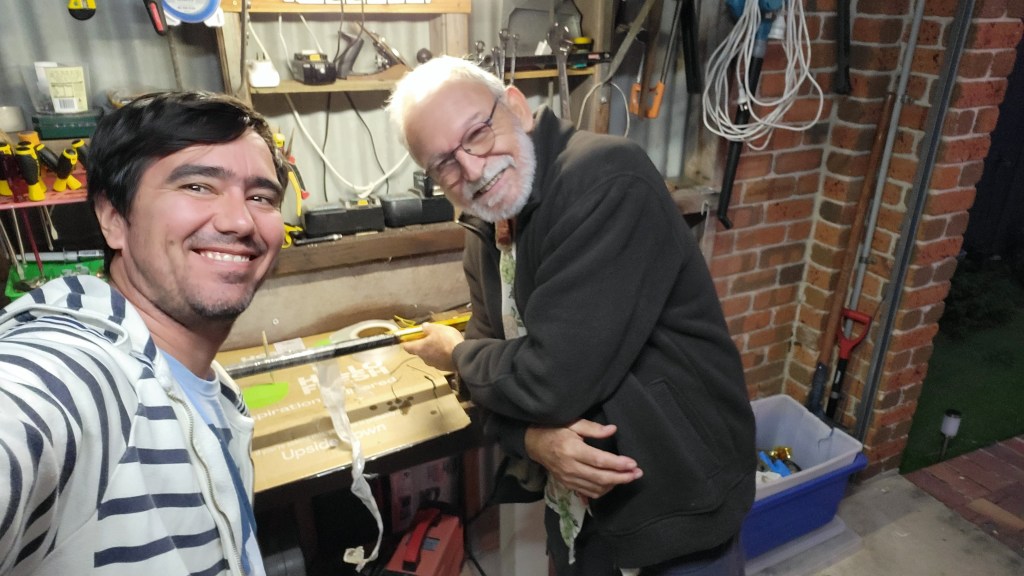
Listing through all the 2700 pictures we took and 300 videos, we clearly made some great friends and cool memories
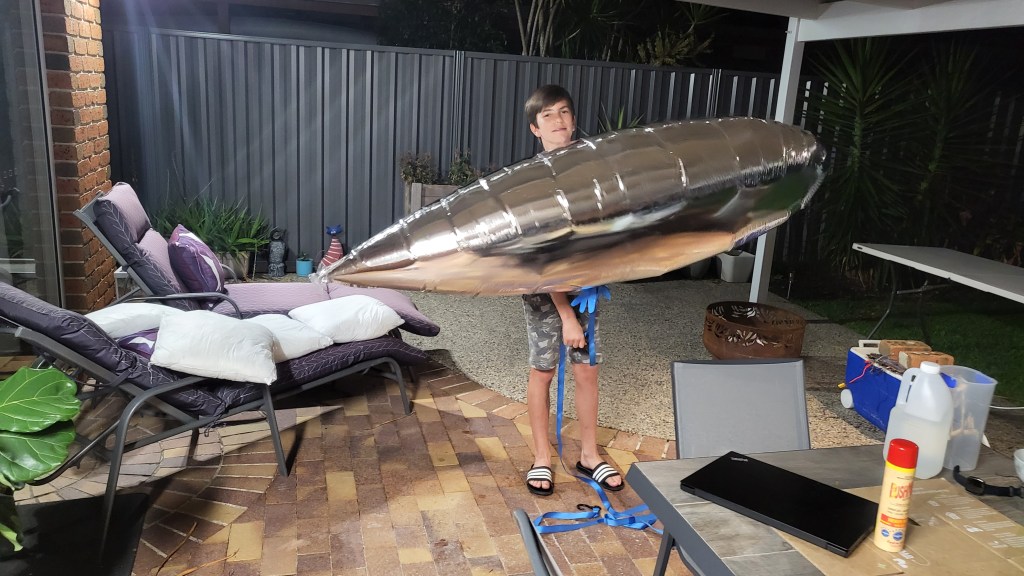
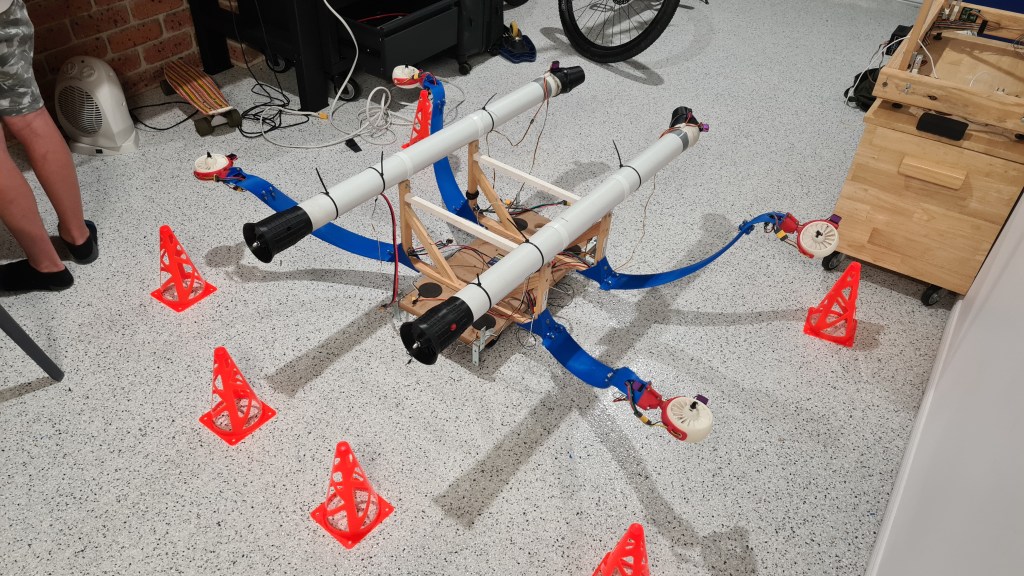
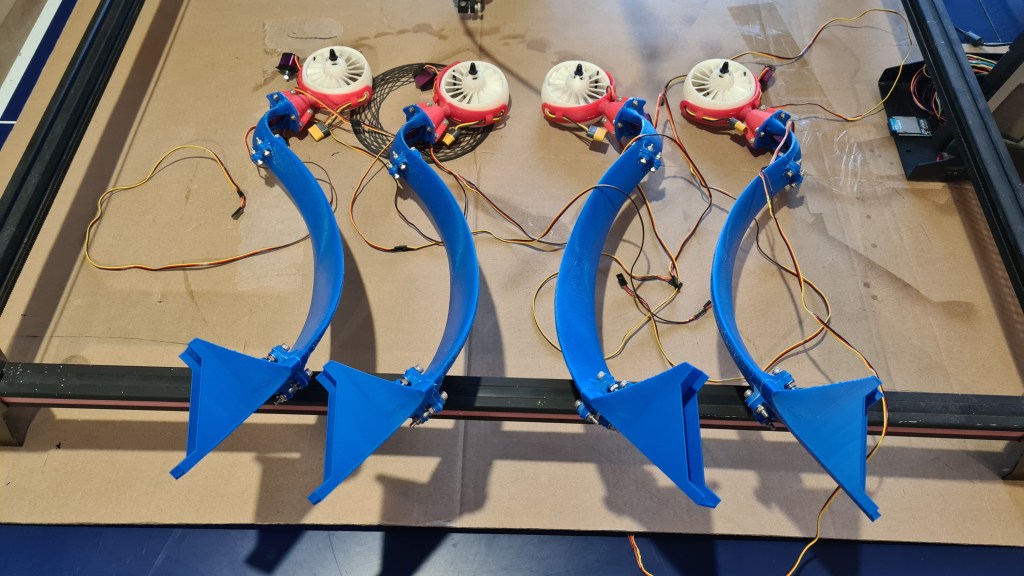
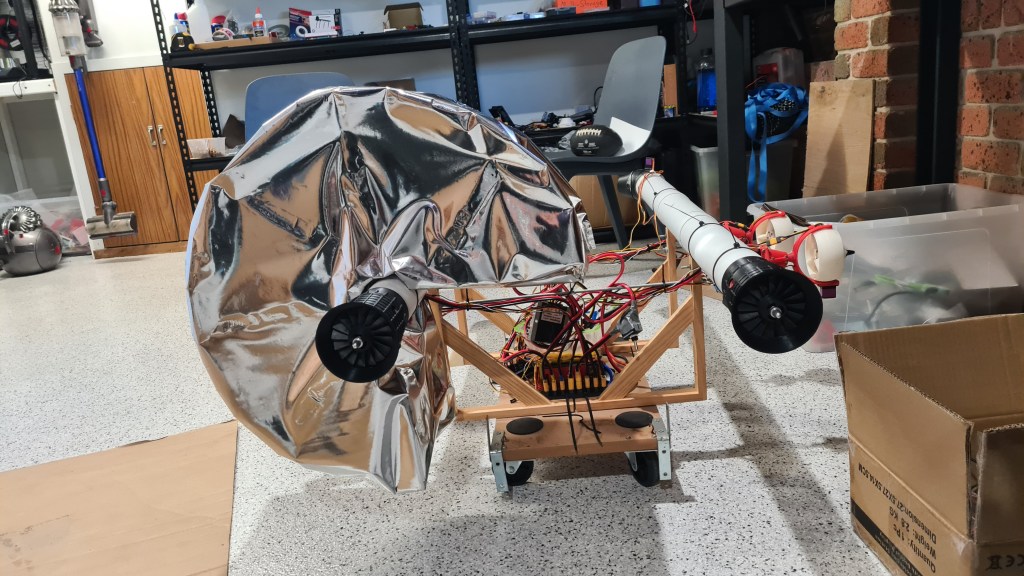
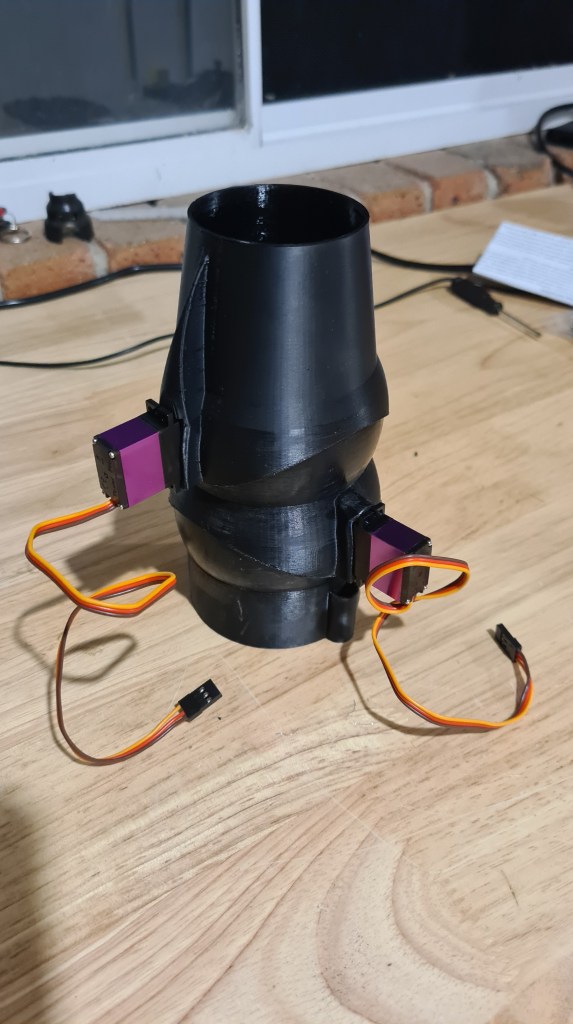
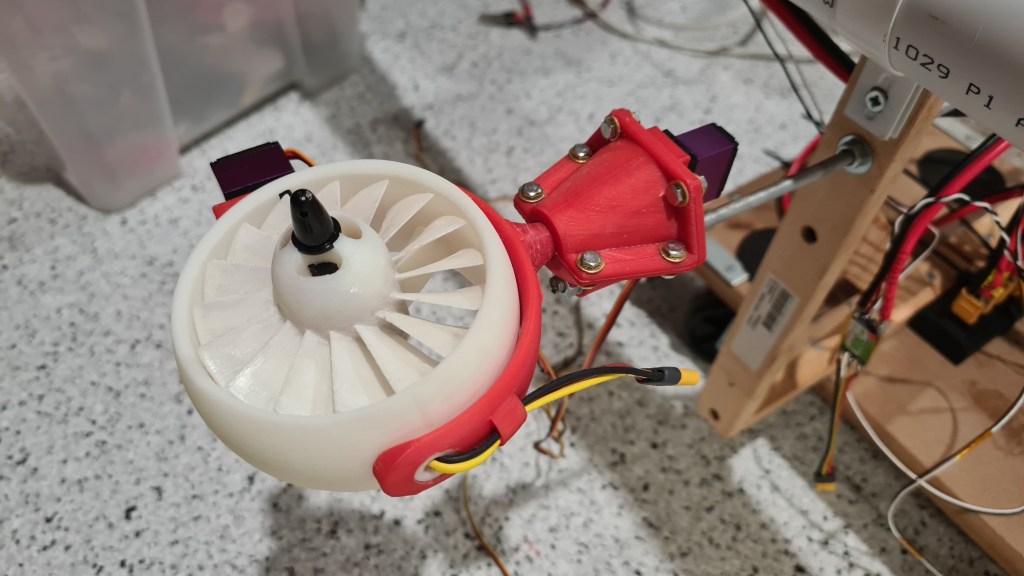
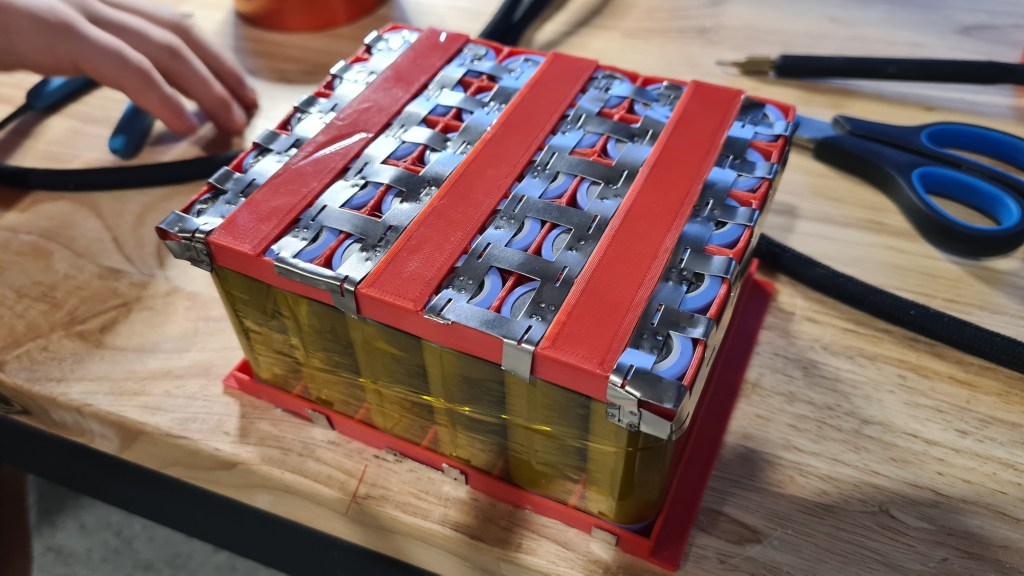
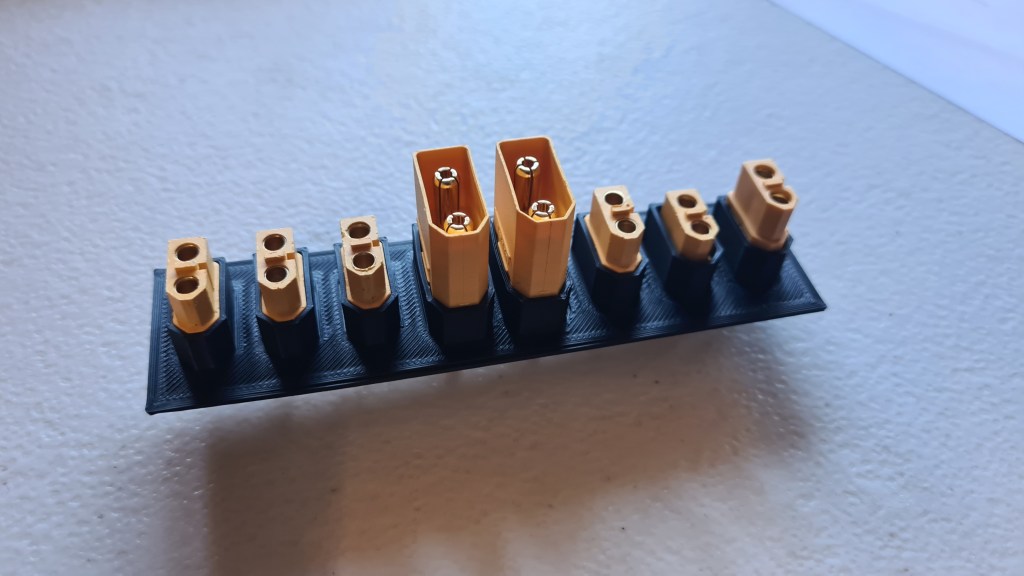
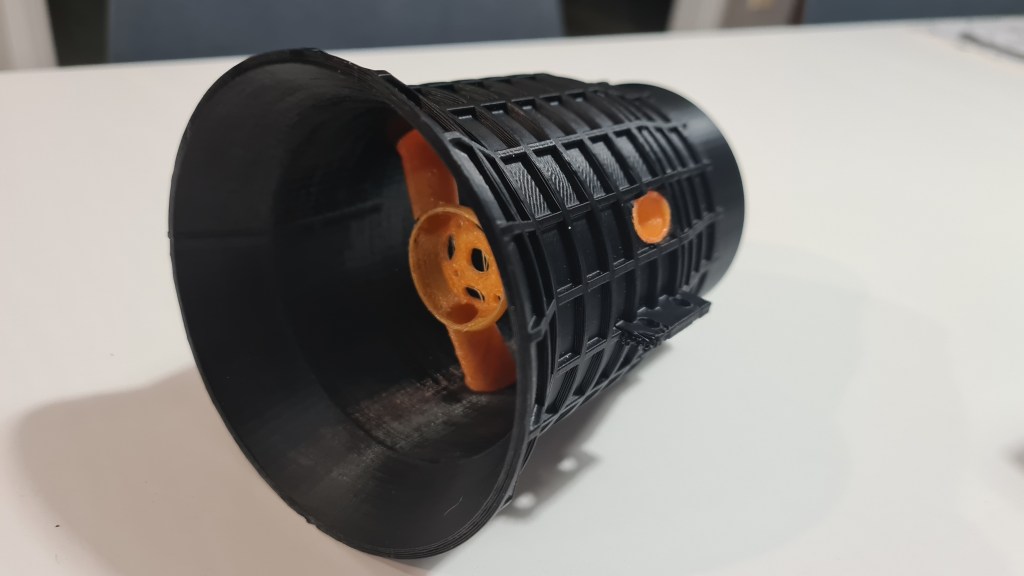
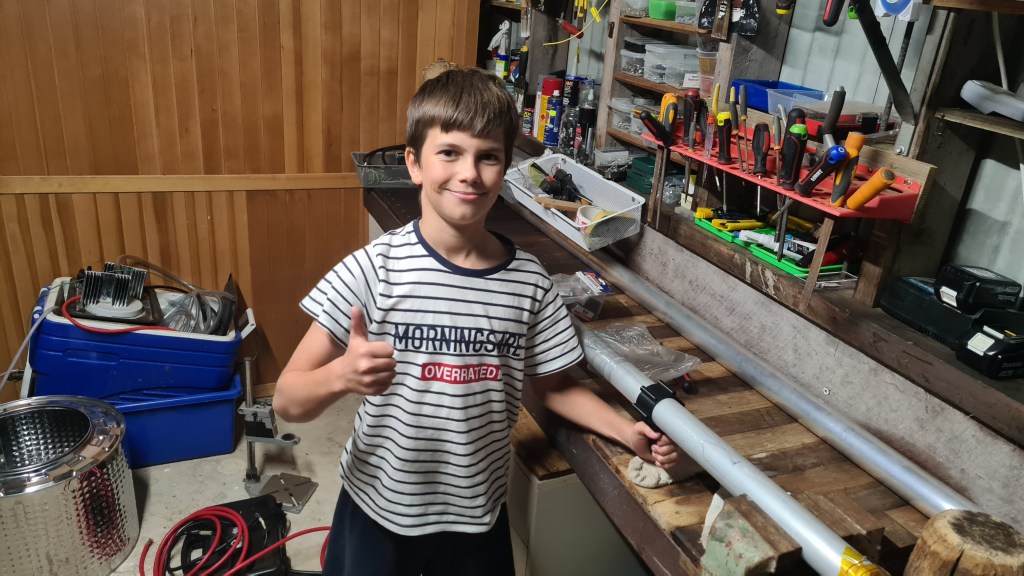
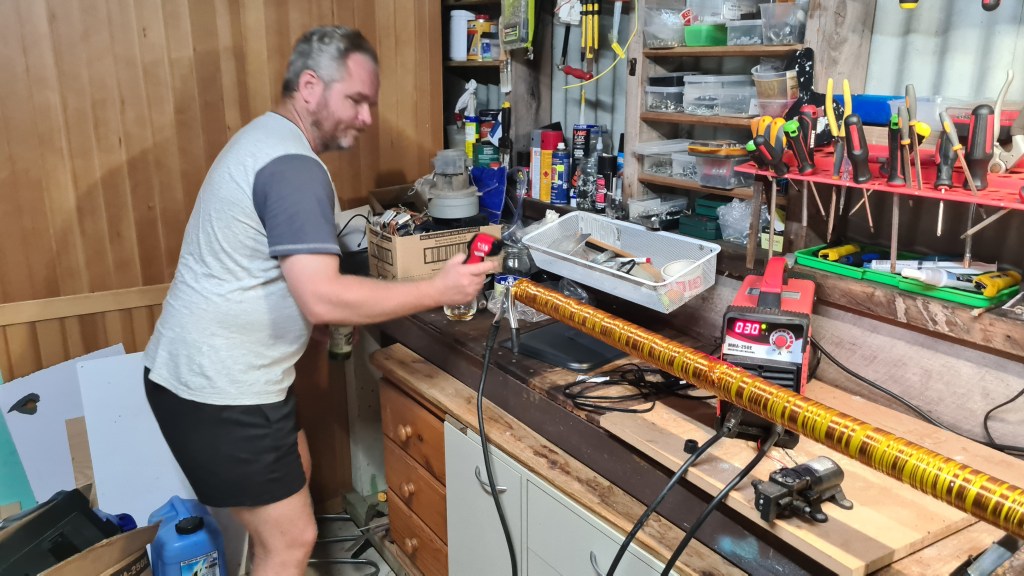
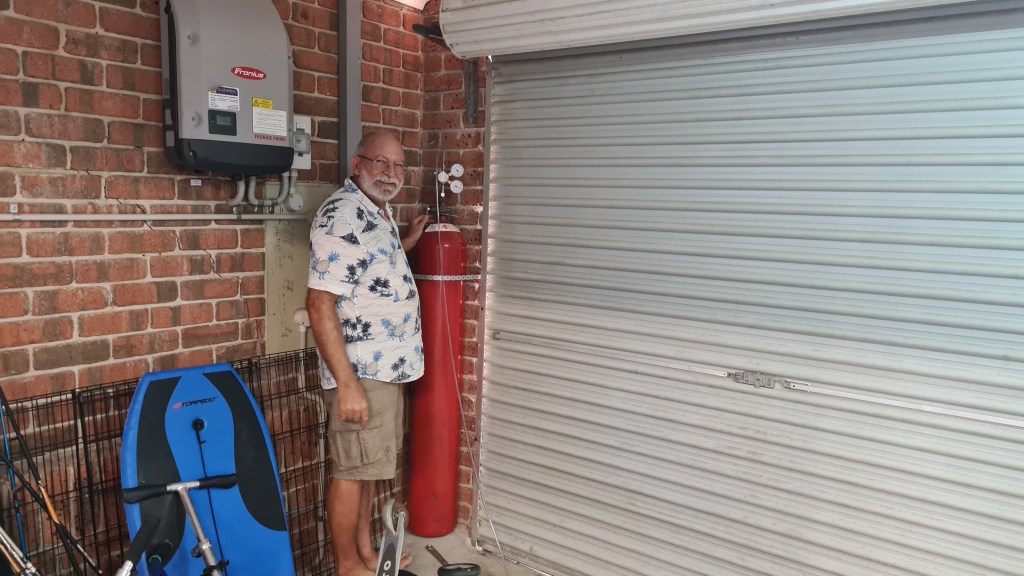
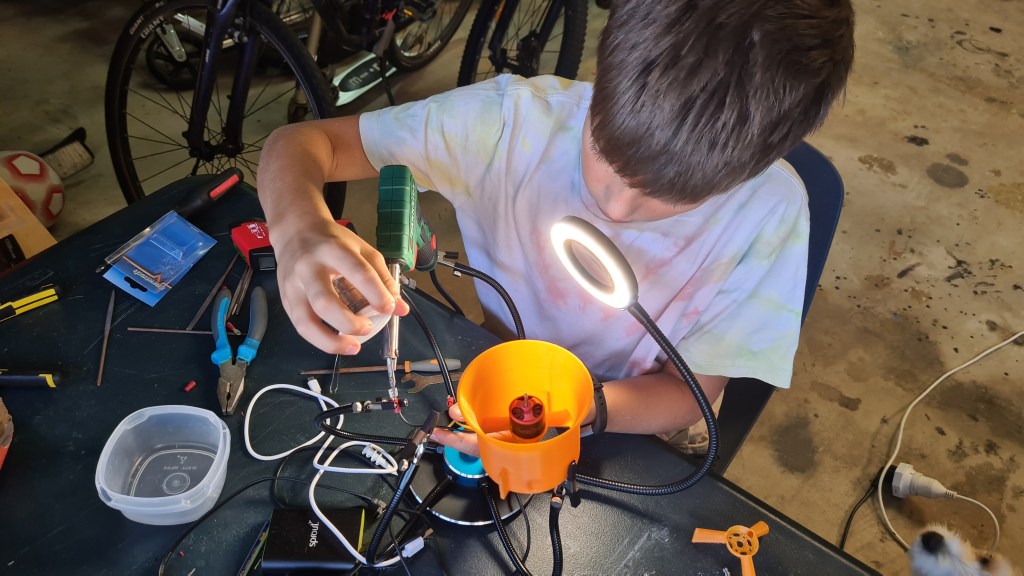
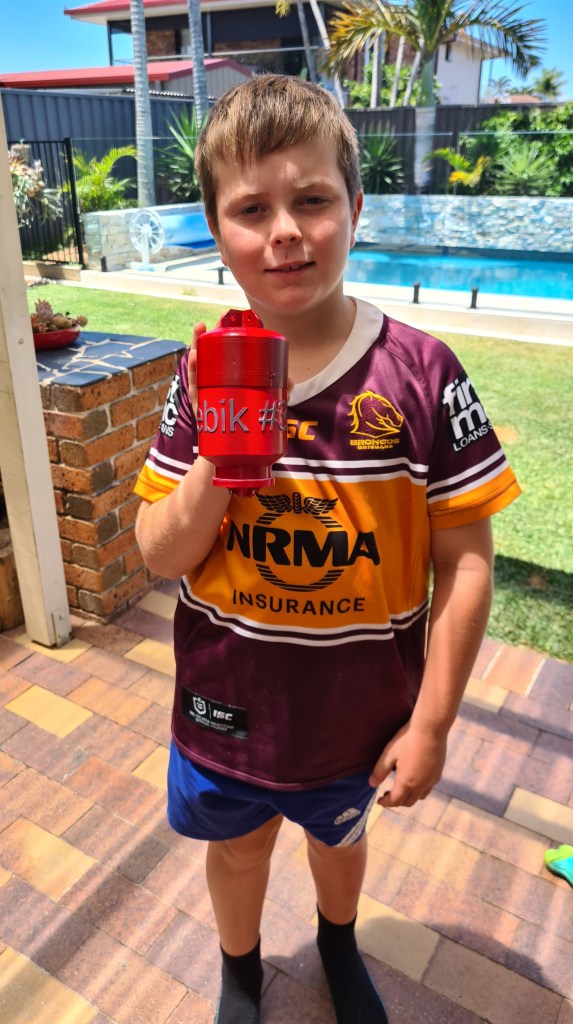
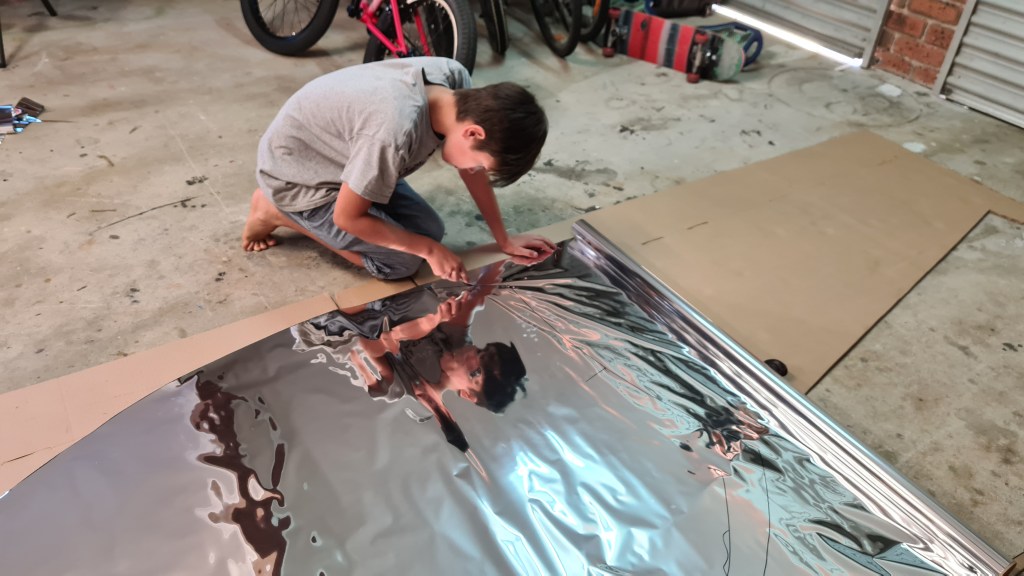
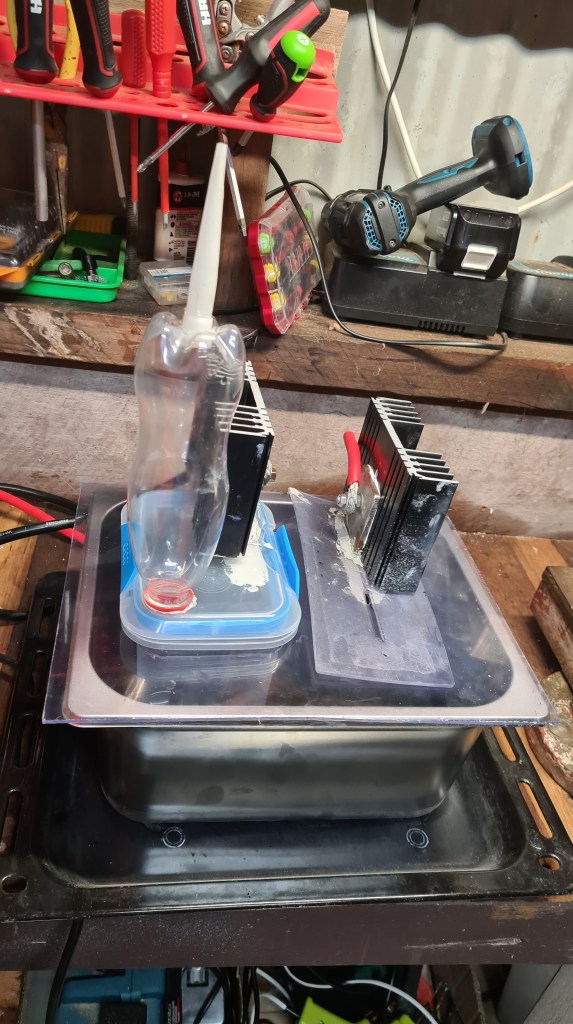
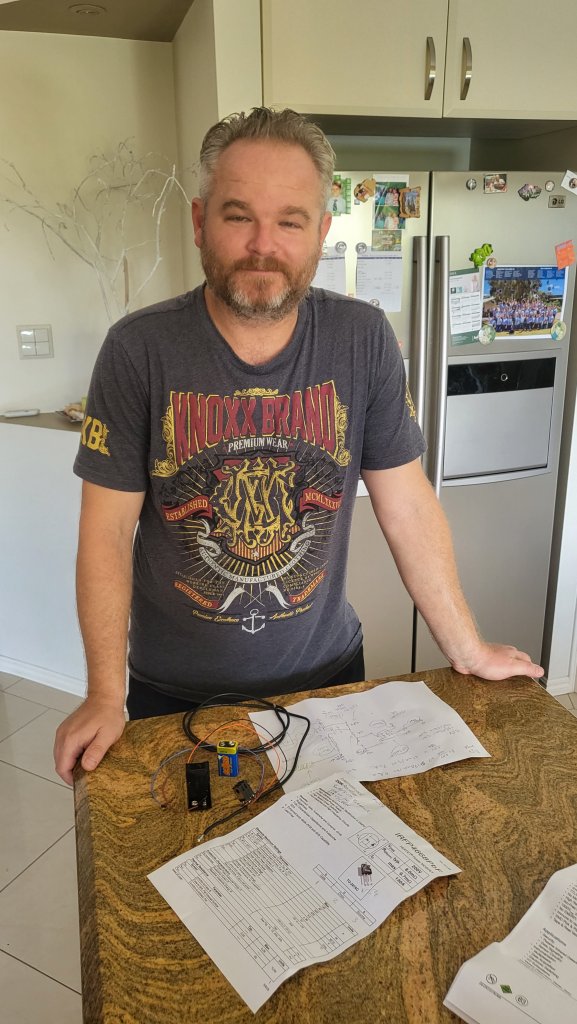
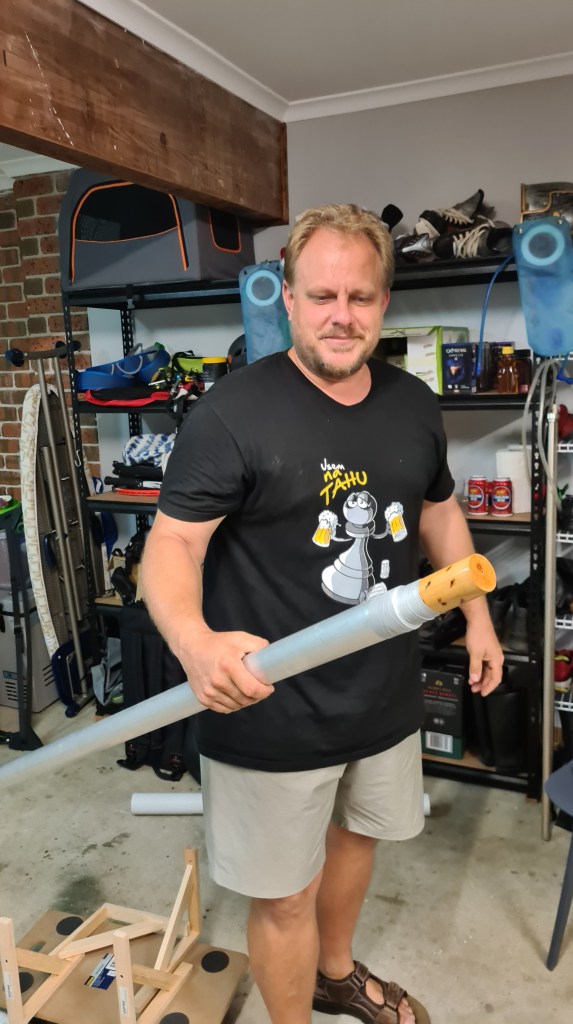
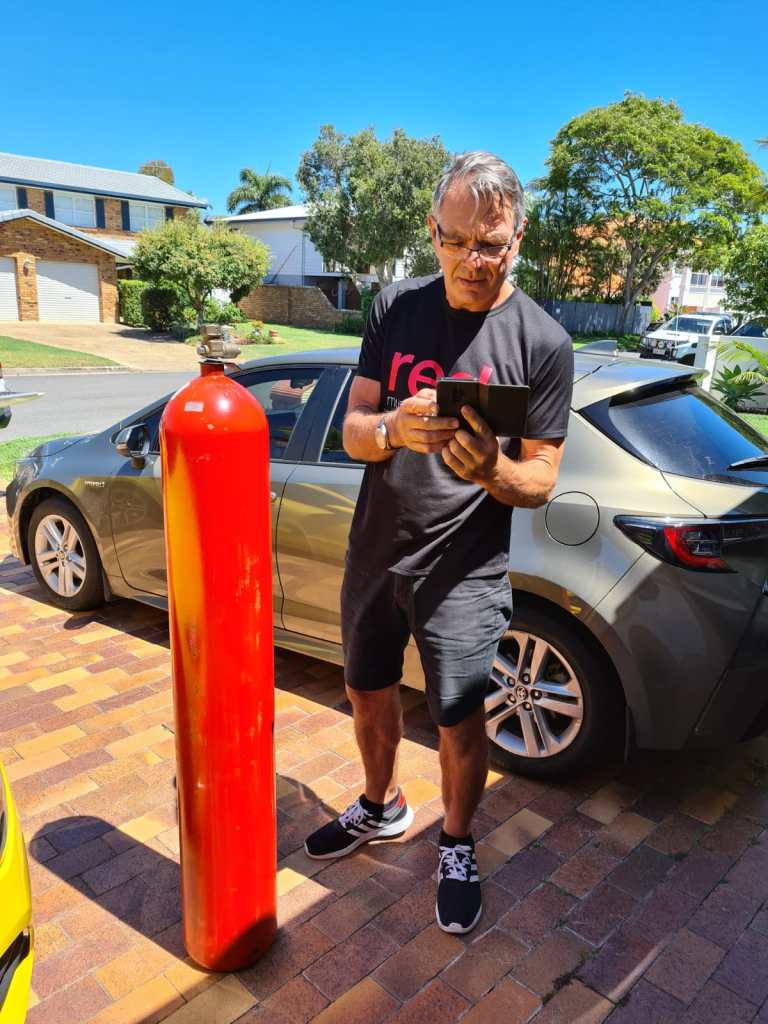
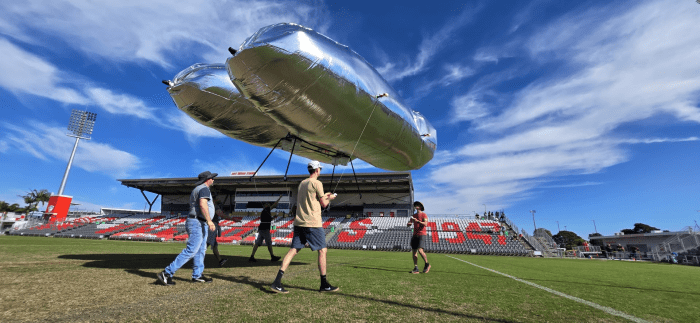
All these were mostly just experiments – they were also building blocks and let us pull off the big one: the Phase I Demo Flight. It was a mini miracle, after all these hours and days spent on this, yes we delivered! Some can have a polemic here about all ending in a rogue airship flying away, but given the overall project – it was awesome wrap up with all the glitter!
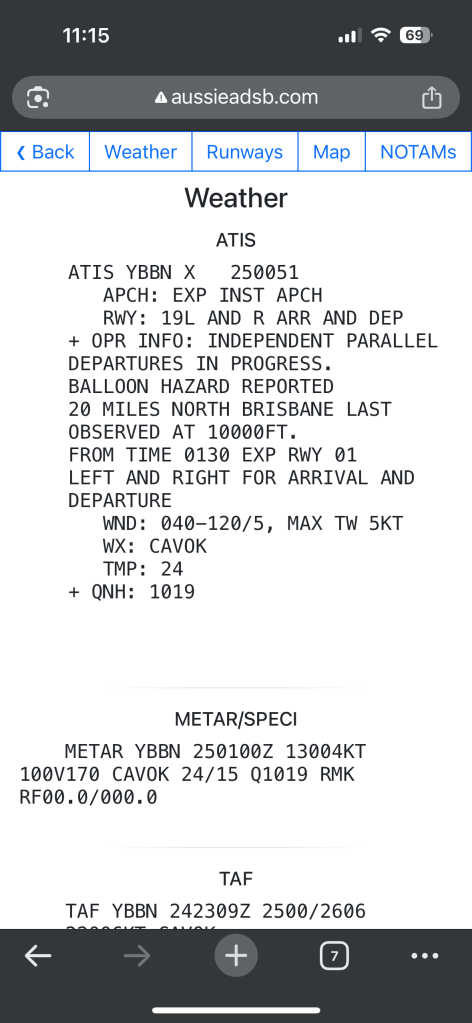
So, what’s next? We’ve cracked open a new Trello board, and Phase II has a name: Esquie. This time we’re scaling up – way up with Target specs:
- Volume: ~500 m³
- Size: 19 × 8 × 5 m
- Operational Time: up to 7 days
- Range: 2000 km (return)
- Payload: 200 kg
- Speed: 30 kph
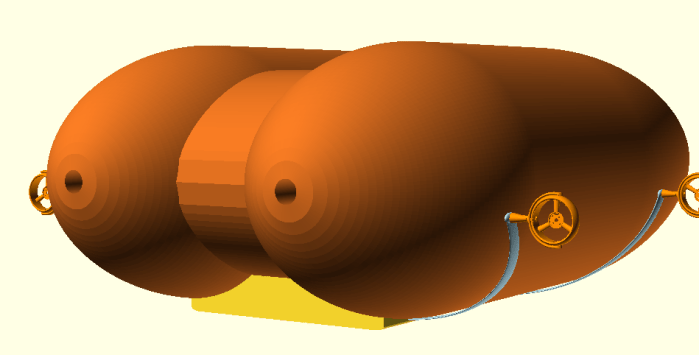
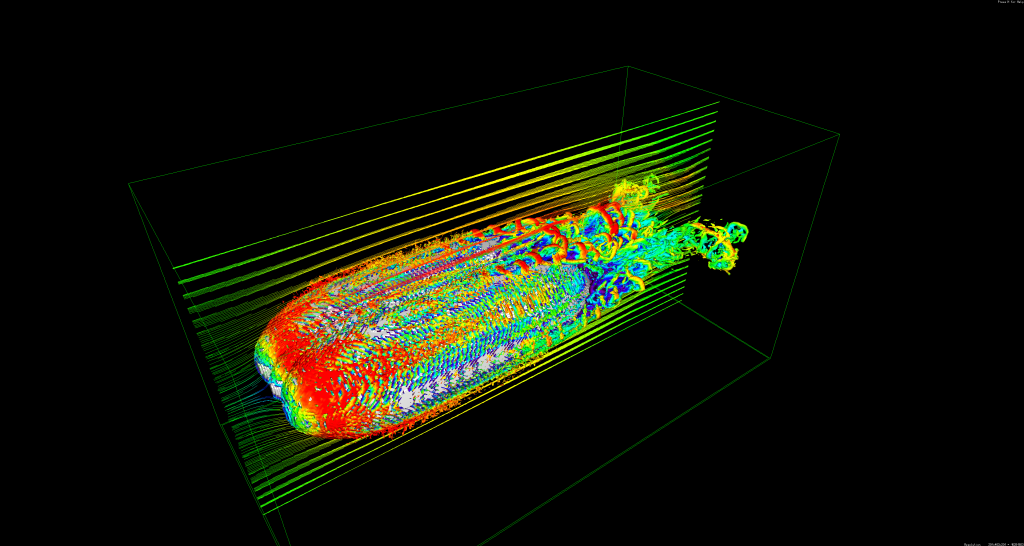
Design work is happening – from developing 400mm diameter tubes (18m long and weighing just 27kg) and upgrading our 3D printer (faster, quieter and with better results), to envelope and gas bag concepts (FluidX3D), gimbal redesigns (2kW motors) and more. And yes, the blog will stay alive with all the gritty updates, breakthroughs, fails, and milestones along the way.
Finally, a massive thanks.
Too many people helped to list everyone – but some stand out every time we fly (literally or metaphorically):
Veronika (for your infinite patience), Sebi (for coding through chaos), Serge (for never letting go), Kristian, Richard, Chris, the Redcliffe Gang (Robin, Greg, Liz, Julia, Simon, Tam, Paul…), HOBR crew (Martin, Adam, Misa, Ondrej, Mirda, Lumir, Brano…), all our external helpers (Vlada, Oli, My Mum, Rob, Damian, Channon), and every organization that helped us lift off in every sense.
Thank you. We’re not done — in fact, we’re just getting started.
Let’s make Phase II epic!

 H2Use
H2Use 
Hello.
Well done! I am curious as to why you are using a bi-lobe design?
Where you have tethering lines have you considered ton patches to attach the tethers?
Looking forward to the next phase.
Peter Garwood
http://www.bbrclub.org/ http://www.bbrclub.org
Balloon Barrage Reunion Club
Let up! Haul Down!
Balloon Barrage Historian, Photo / Video Journalist, Radio / Television Contributor.
Telephone 07412 869027
LikeLiked by 1 person
Hi Peter,
Thanks for your kind words and thoughtful questions!
We’re using the bi-lobe (dual-hull) design primarily for improved stability and buoyancy efficiency. Much like a catamaran on water, this layout lets us centre the mass, thrust, and drag, which has been quite helpful in our prototyping. It does come with a bit more drag (about 25% more), but we’re testing ways to offset that – including some creative intake solutions.
As for the tethering – yes, ton patches or reinforced anchor points are very much on the radar as we scale up. Great to hear from you again!
Cheers,
Jan & the H2Use Team
LikeLike
A co já a svářečka?
To mě poser
LikeLiked by 1 person
Opraveno 🙂
LikeLike