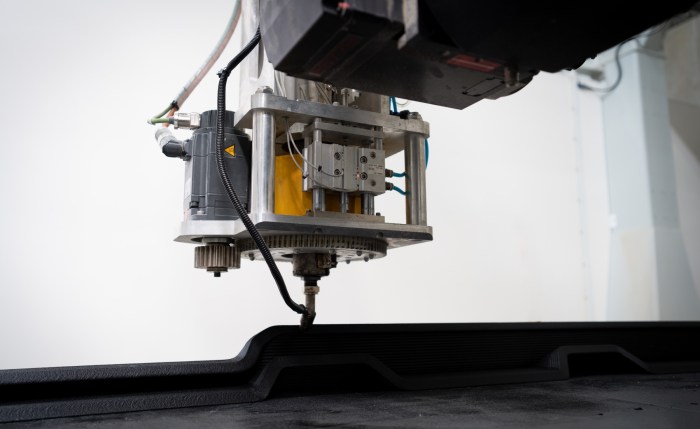
Exploring the Future of Composite Manufacturing at One Composites

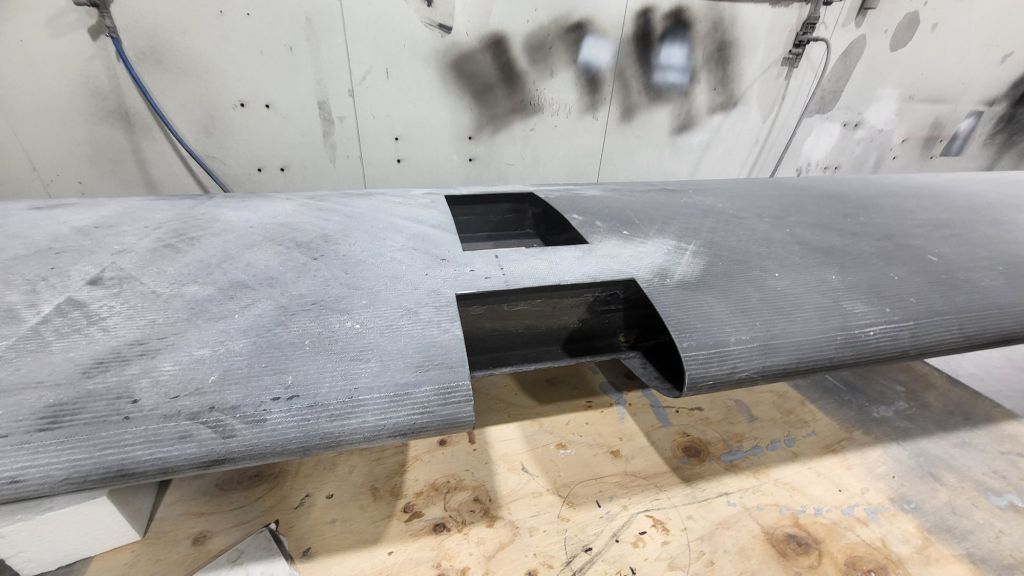
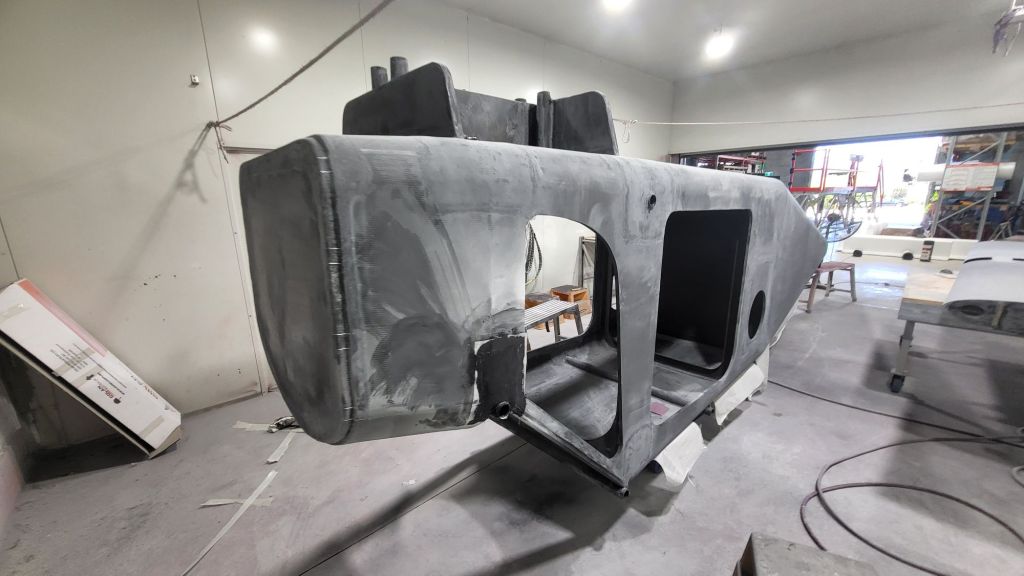
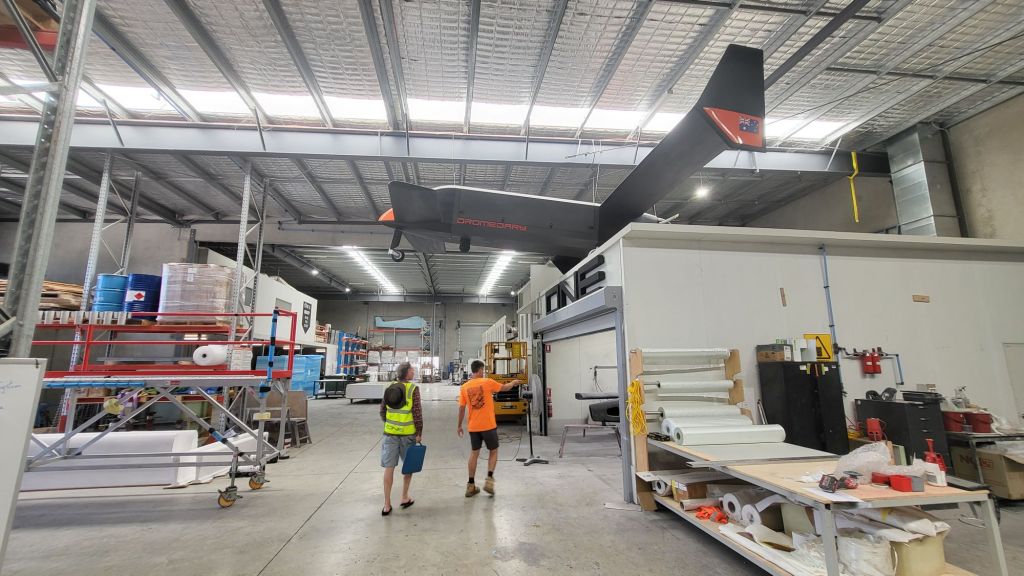
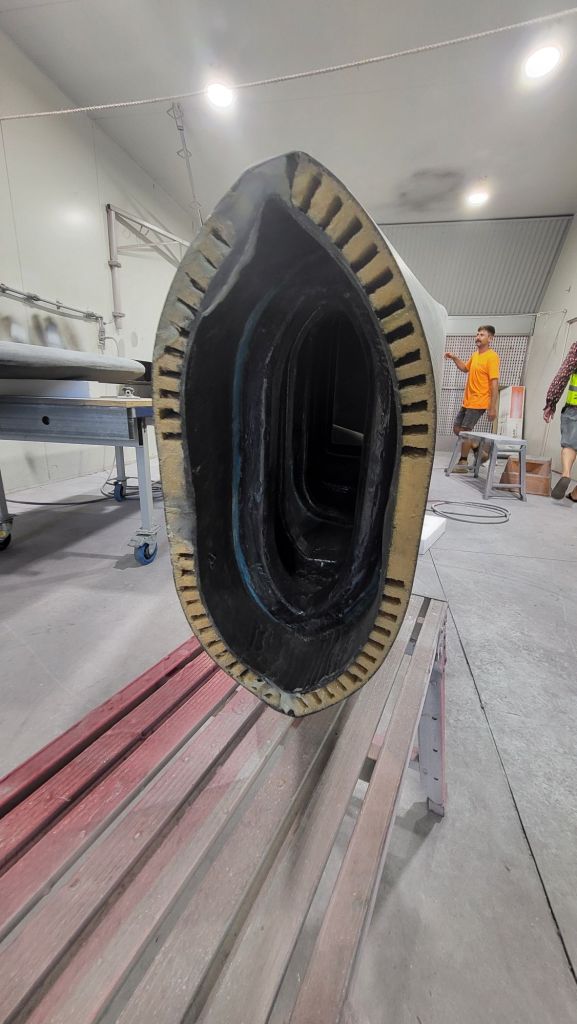
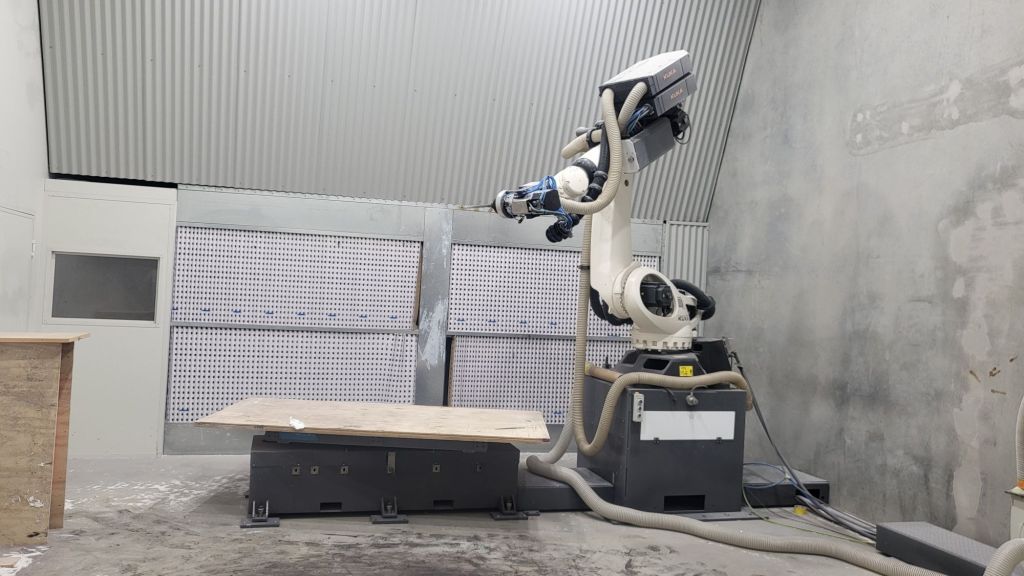
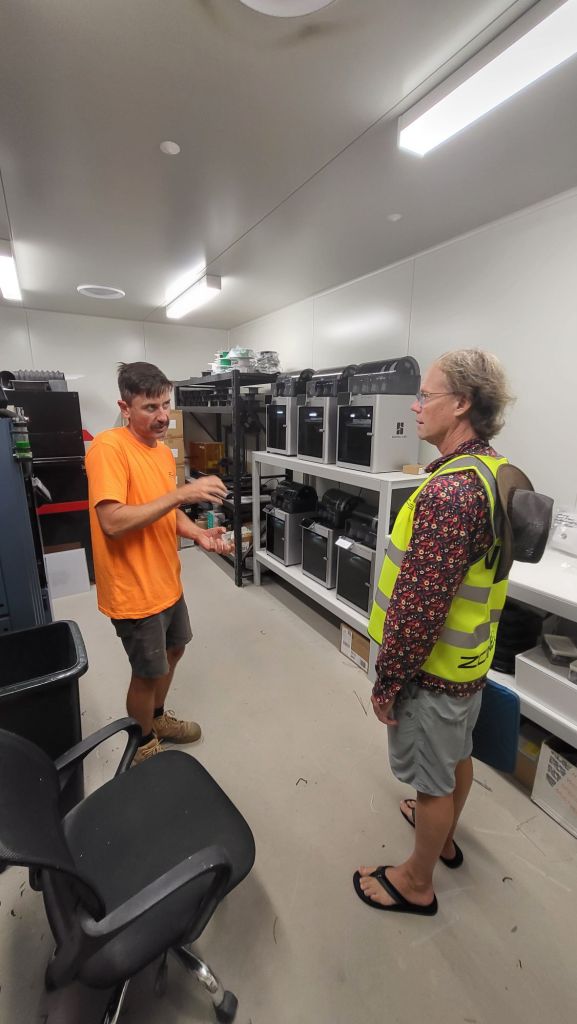
Last week, Chris Drake and I had the incredible opportunity to visit One Composites, a cutting-edge composite manufacturing company based in Coolum Beach, Queensland. We were welcomed by none other than the company’s owner, David Biggar, who personally guided us through their state-of-the-art facility.
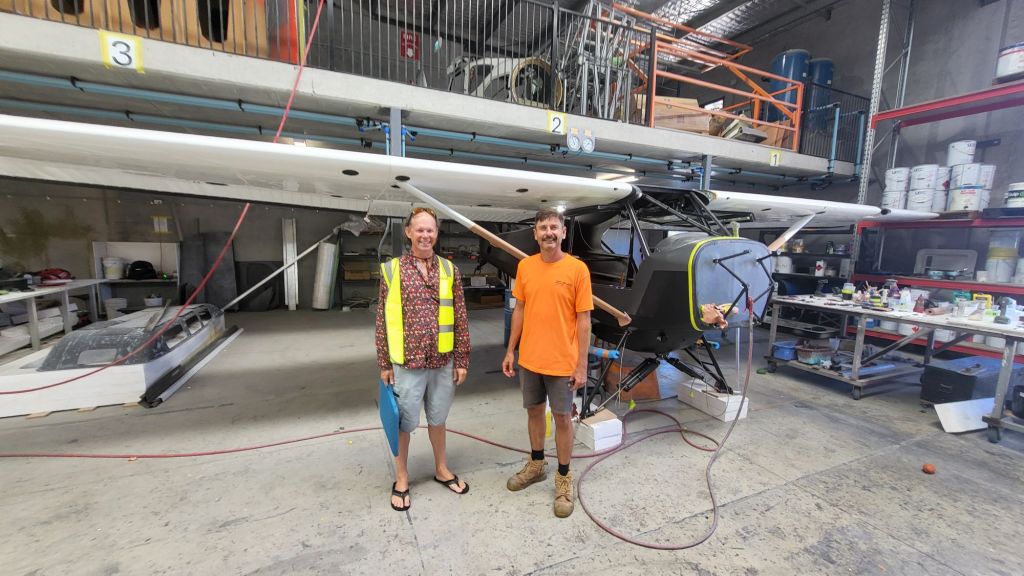
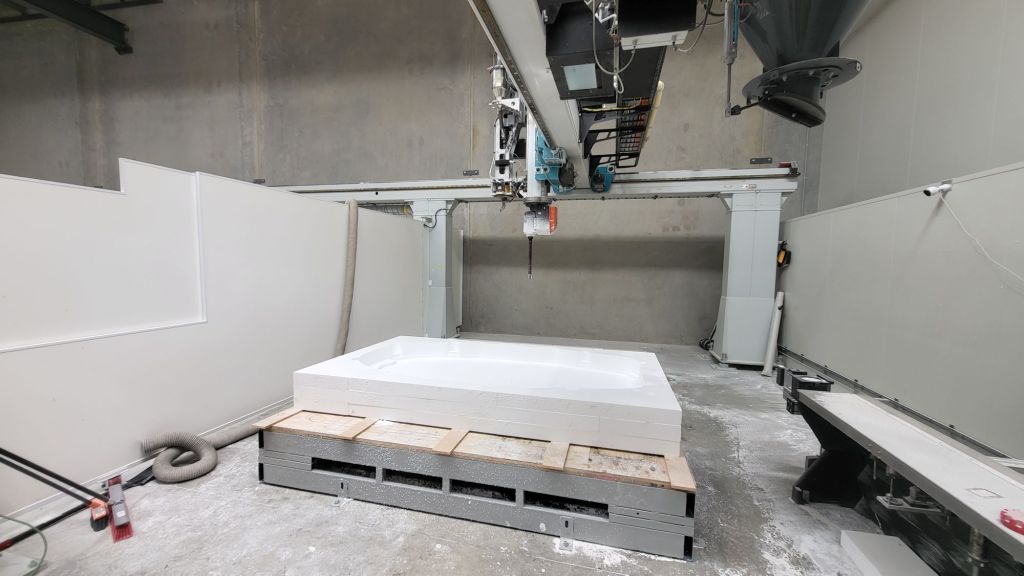
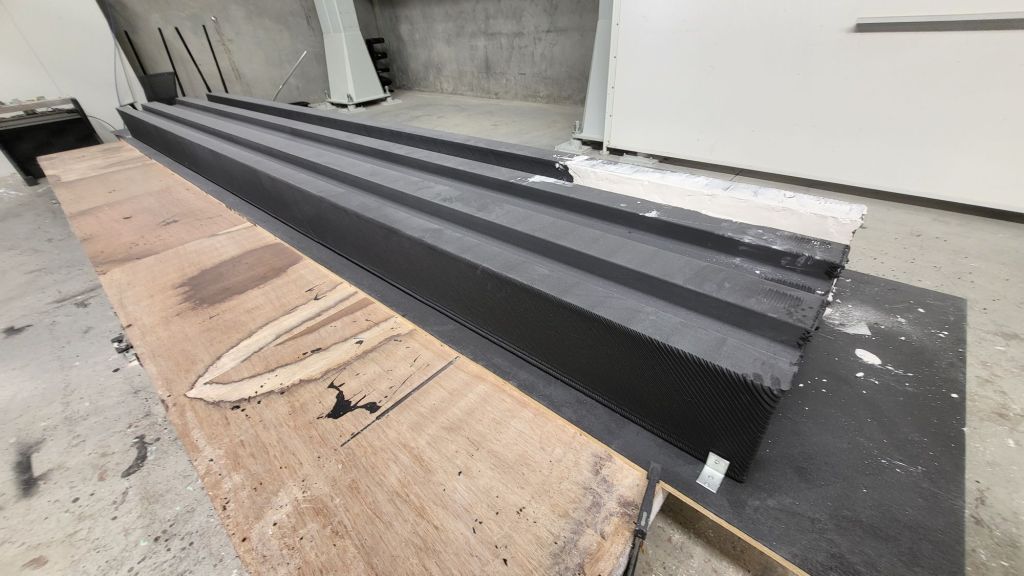
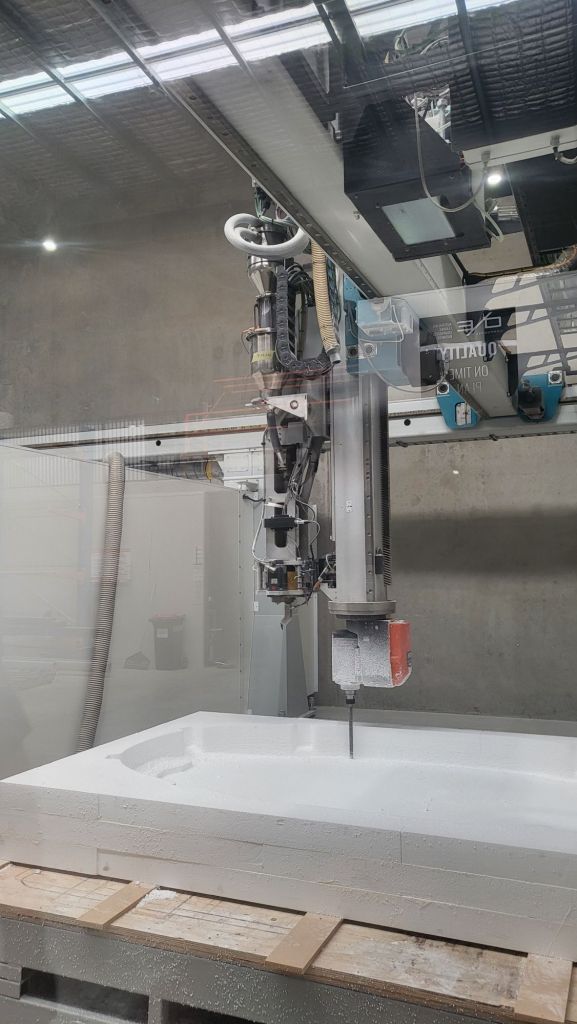
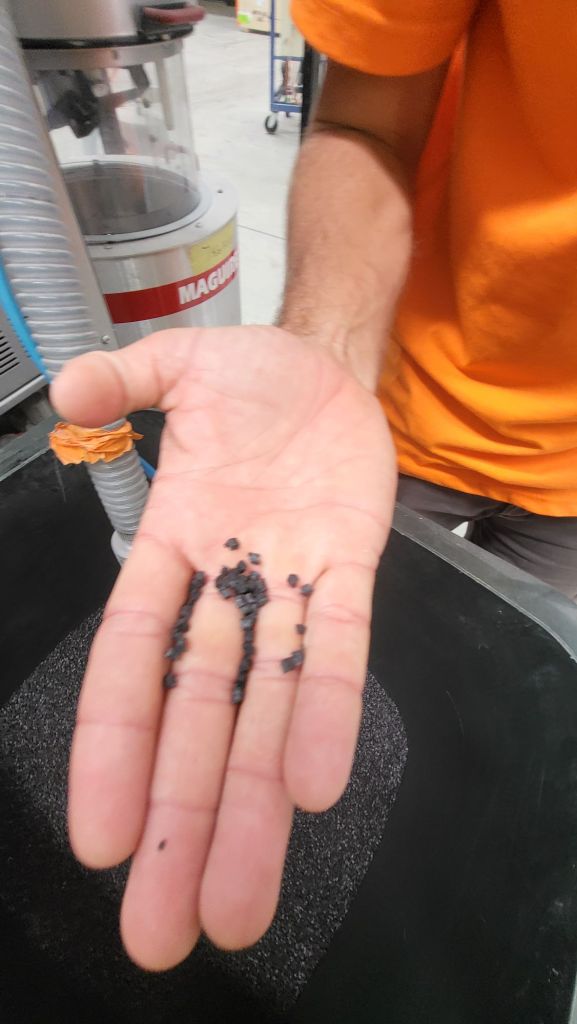
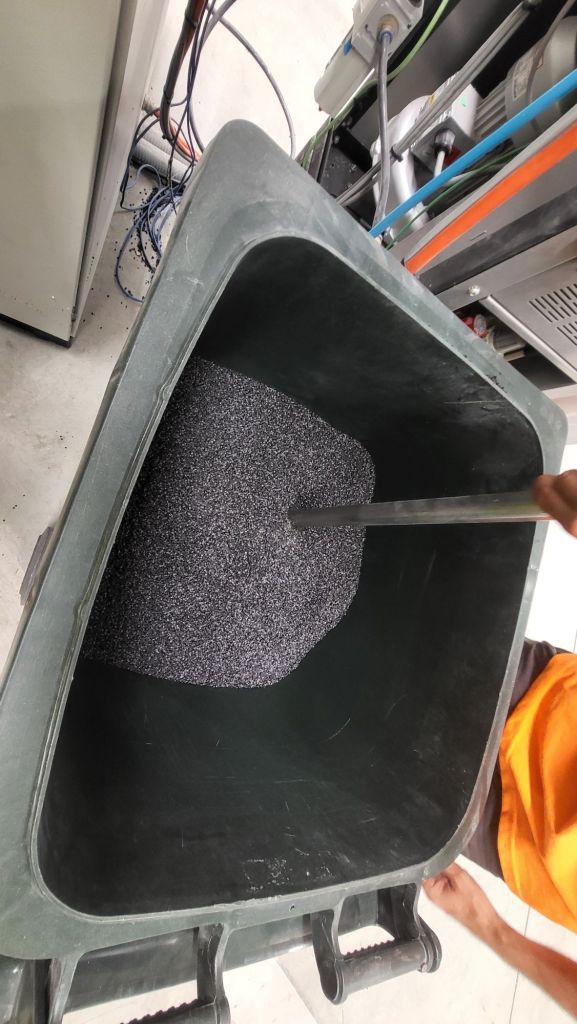
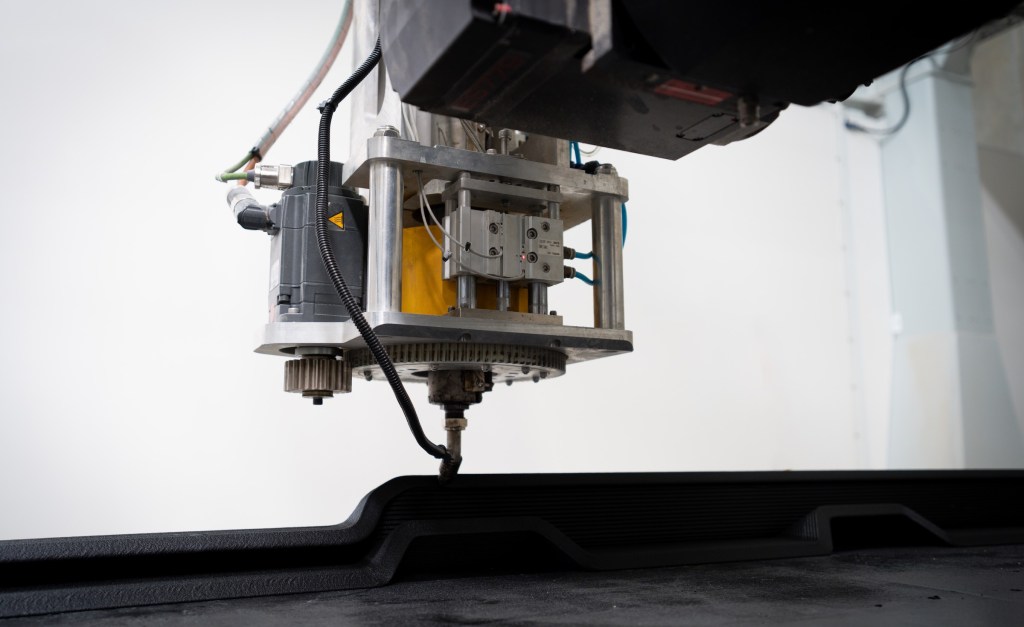
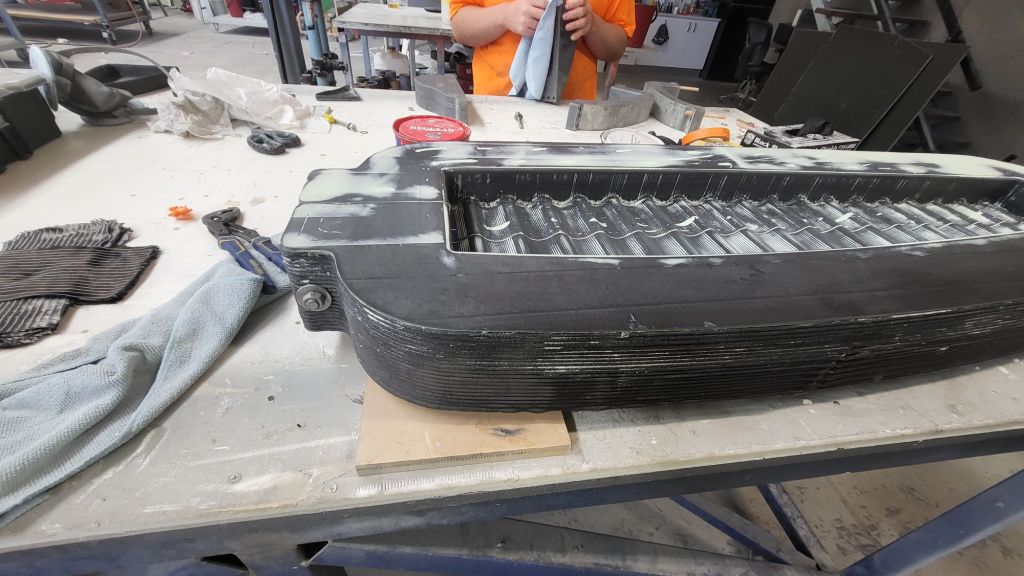
One of the standout moments of the visit was witnessing the largest 3D printer in the Southern Hemisphere in action – measuring approximately 15 meters in length and 6 meters in width. This beast can print up to 2.5 tons of material within 24 hours, using a carbon fiber-infused filament with density of up to 25%. The potential applications of such technology are vast, from rapid tooling and prototyping to full-scale production of high-strength, lightweight components.
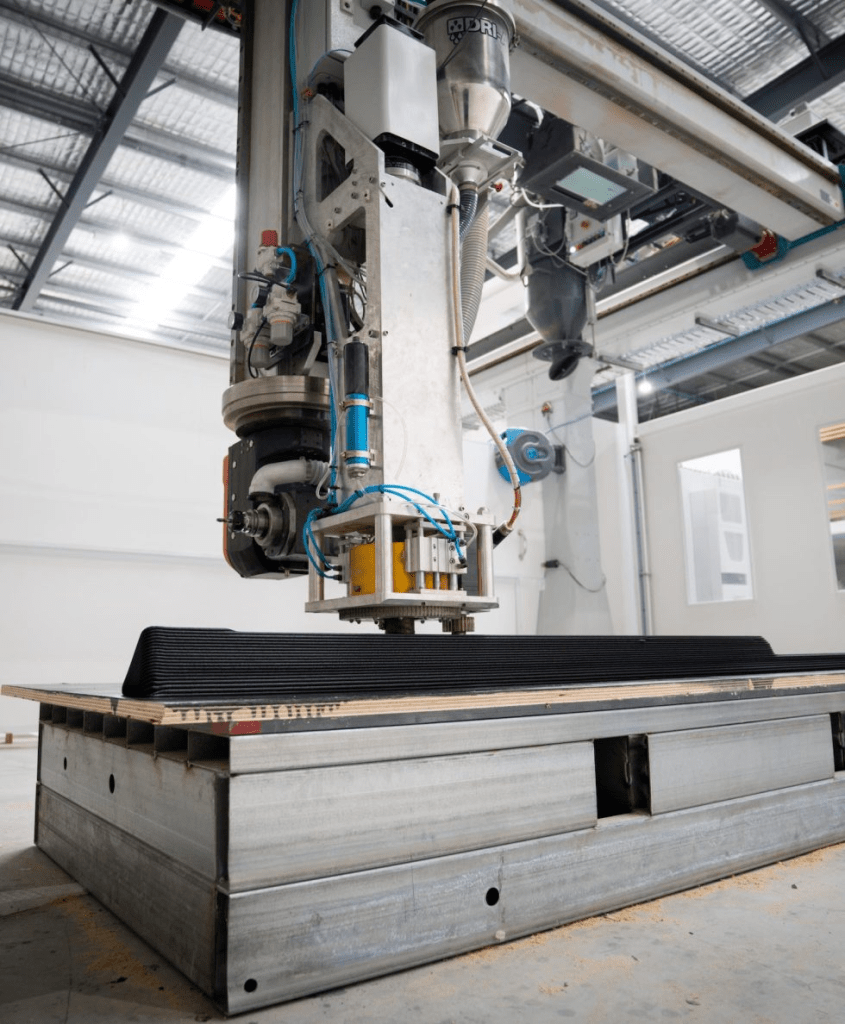
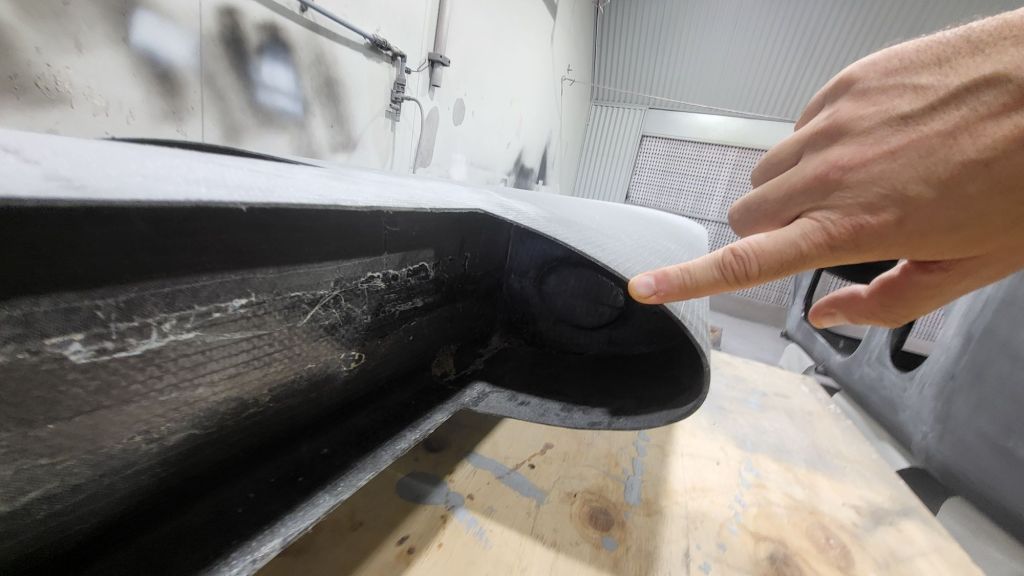
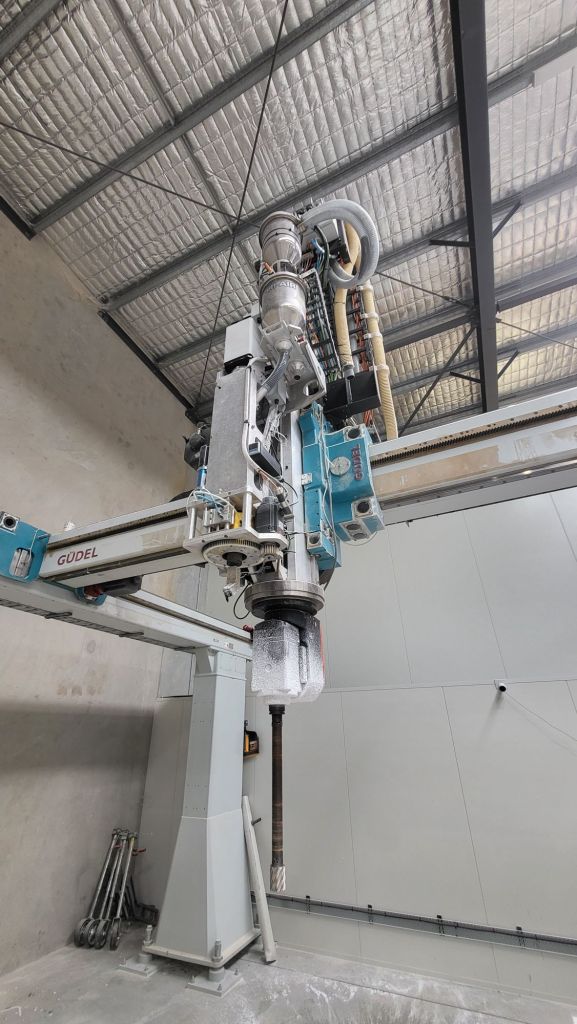
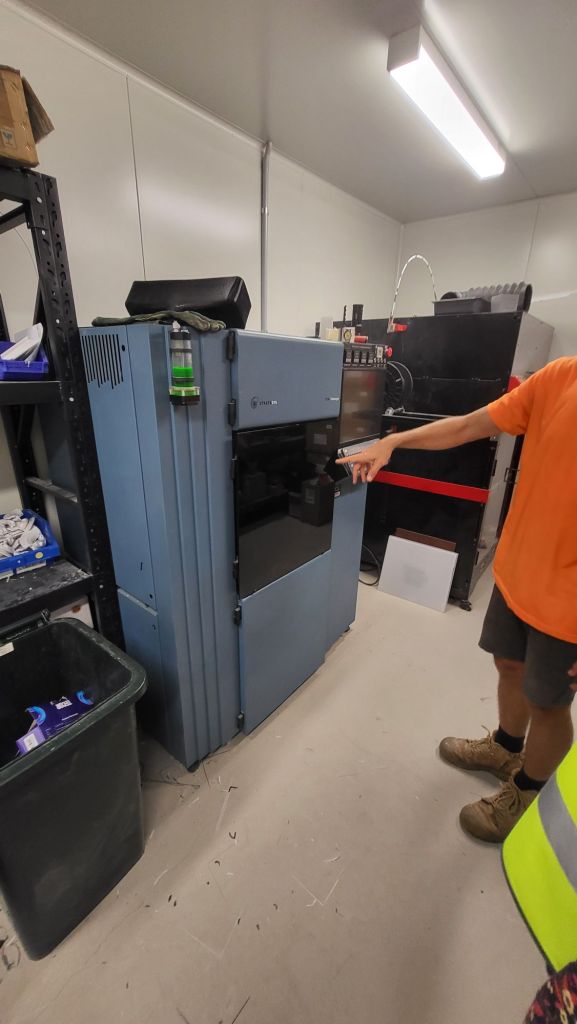
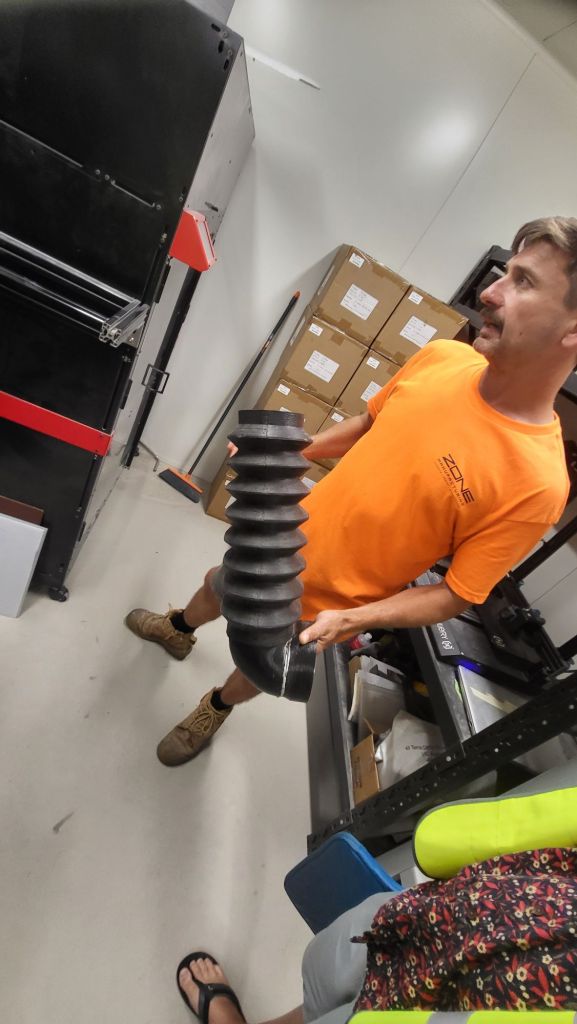
David Biggar’s passion for composite materials was evident as he walked us through the facility. One Composites specializes in everything from fiberglass and carbon fiber production to large-format printing and 5-axis milling. Their ability to produce high-detailed components quickly and efficiently makes them a key player in Australian composites industry.
For our hydrogen airship project – the combination of lightweight yet strong materials is critical for efficient flight. The advanced manufacturing techniques we saw at One Composites open up avenue for our Phase II project. Discussions with David also hinted at future collaboration opportunities, as we explore the integration of composite materials in airship structures.

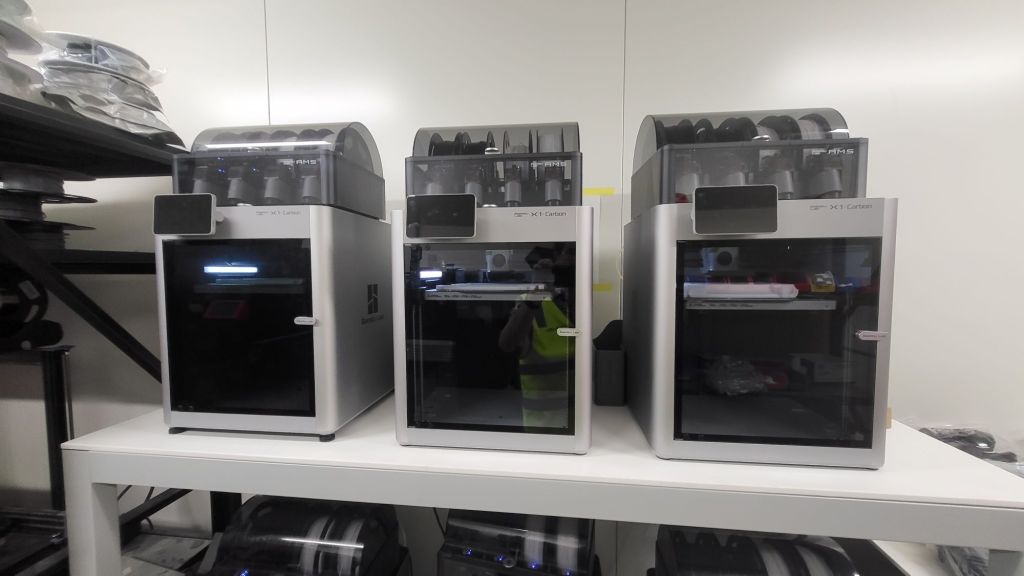
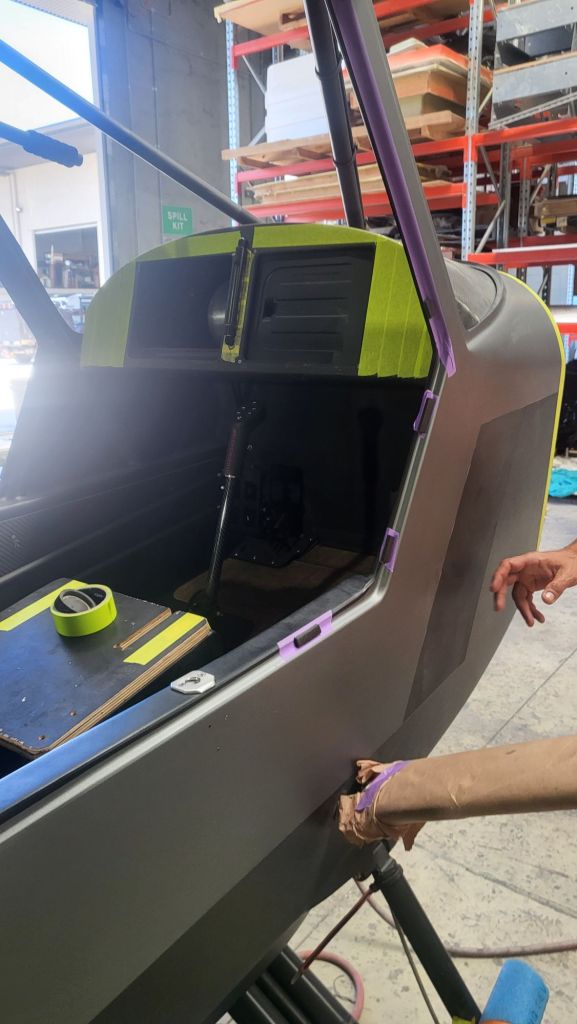
During our visit, I took several pictures (with Dave’s permission) and one video to document the experience – enjoy!
140% Feed

About a week back I shared a blog post about replacing a printing head/nozzle, believing that issue was resolved. However, after running a few prints, I noticed that the current prints weren’t as strong as expected, which raised some concerns.

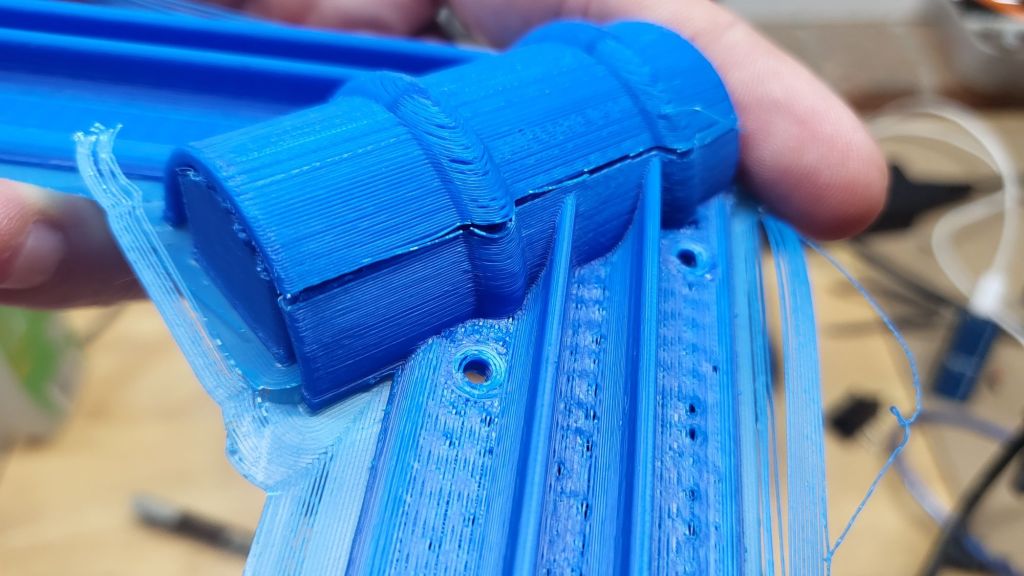
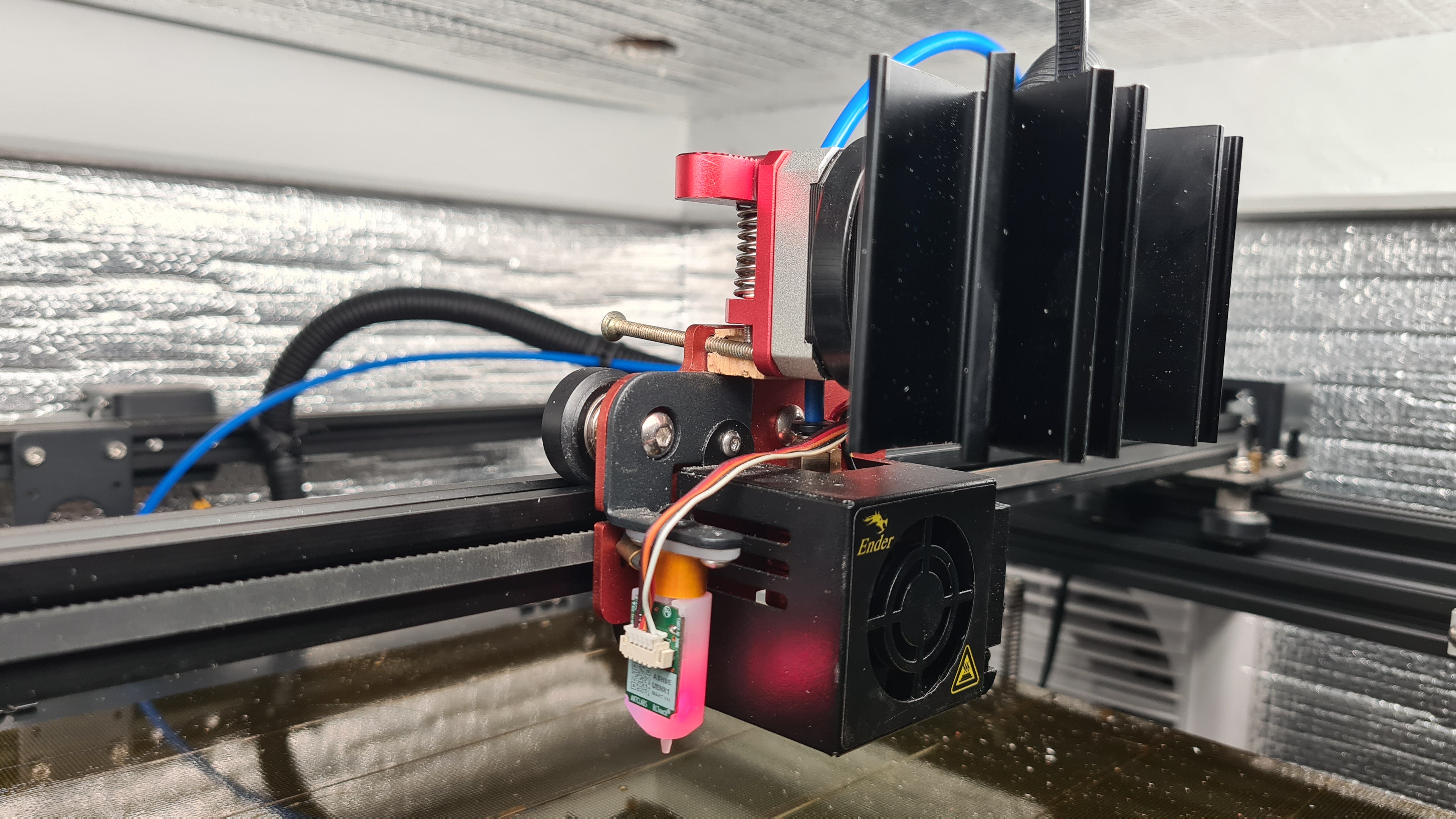
Initially, I checked the usual suspects: printing temperature, cooling, and the nozzle—now switched to an iron nozzle from the brass one. However, adjusting these factors didn’t resolve the issue. Comparing the new prints with those produced by the original head revealed numerous printing errors.

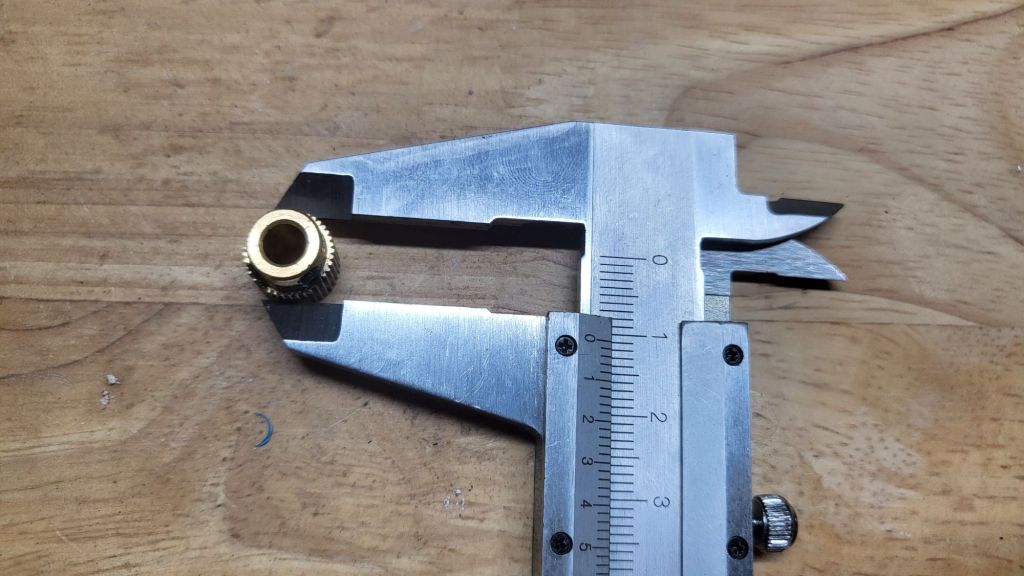
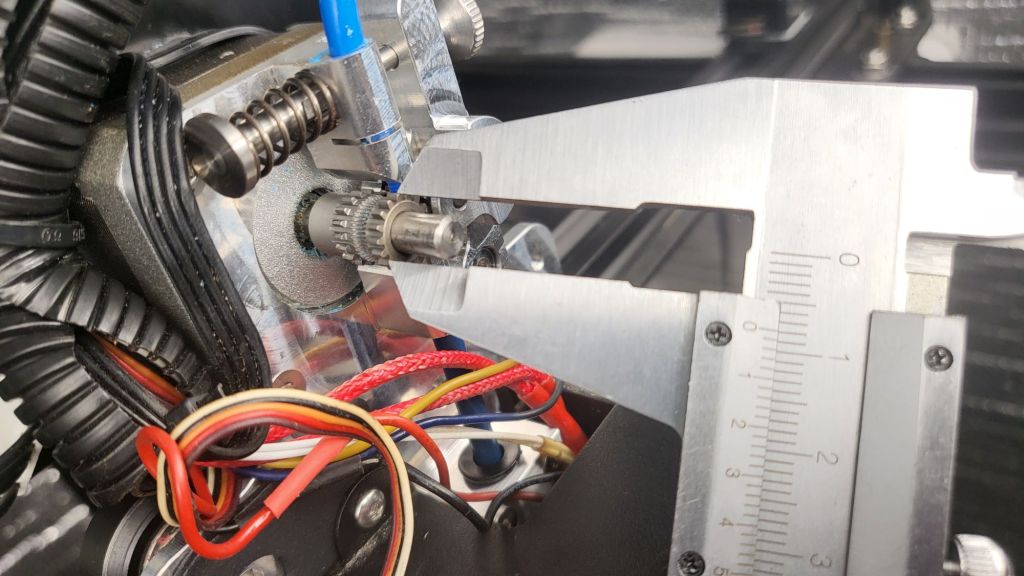
After some contemplation, I realized the issue might be related to the filament feed. A comparison of the feeding gear sizes confirmed my suspicions. The original gear had a diameter of 11mm, whereas the new one was only 8mm. Despite the unchanged rotation speed, this size difference significantly affected the feed rate.

A quick calculation of the circumferences indicated that the feed needed to be increased by 40% to match the original specifications. Adjusting the feed rate to 140% solved the problem, resulting in excellent print quality.

For now, I plan to adjust the gcode to reflect this change, but I’m hesitant to alter the current setup immediately. The world of 3D printing continues to surprise me with its complexities—there’s always something new to learn. 🙂

3D Printer nozzle replacement

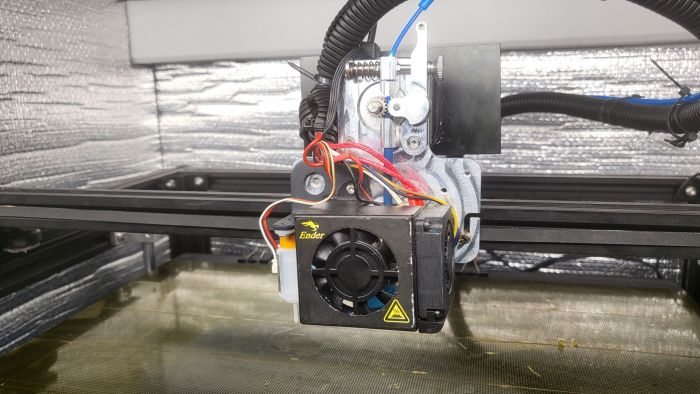
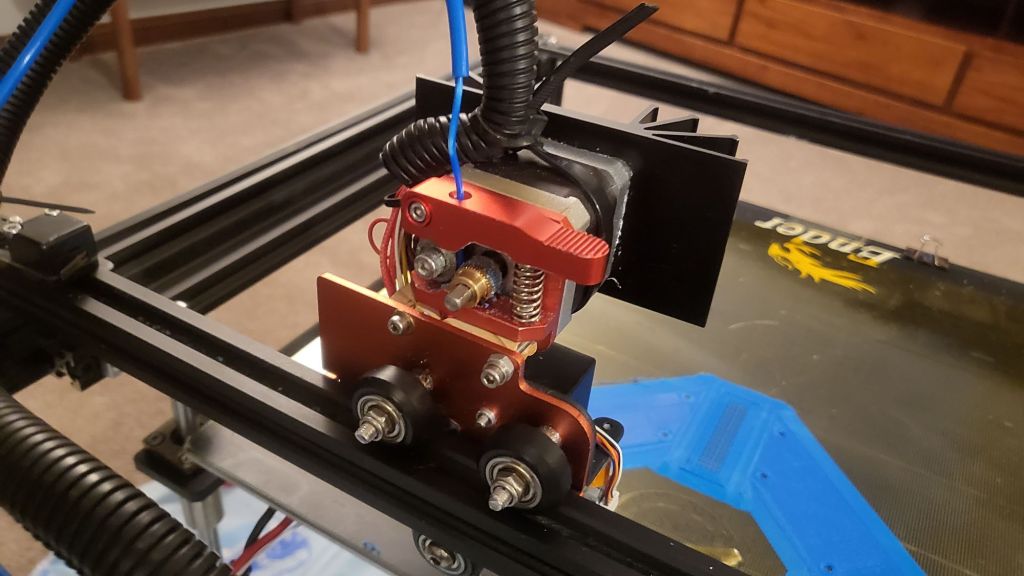
Being a proud owner and user of the Creality’s Ender-5 Plus for more then couple years now, I’ve hit an issue when I’ve ripped off the thread in the printer’s hot-end making it impossible to mount the nozzle itself.

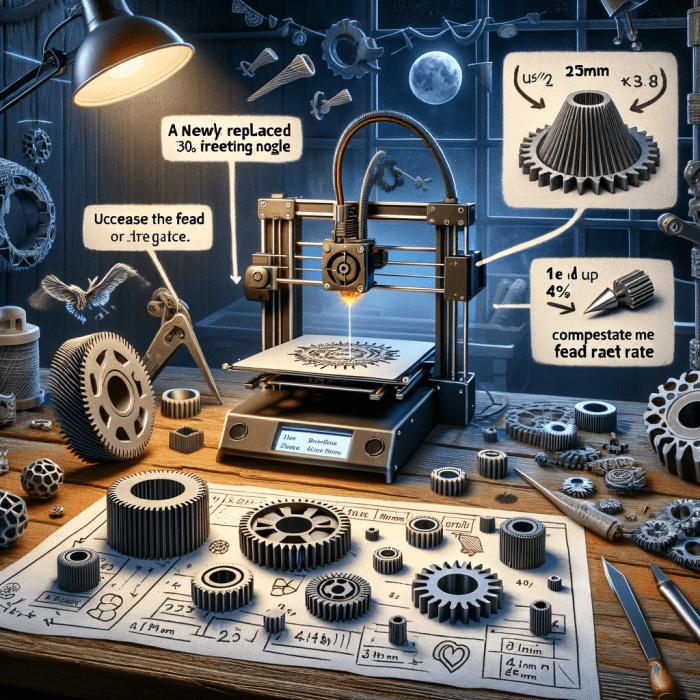
This is how Dall-E (ChatGPT) things “3D Printer Nozzle Replacement” looks like 😀

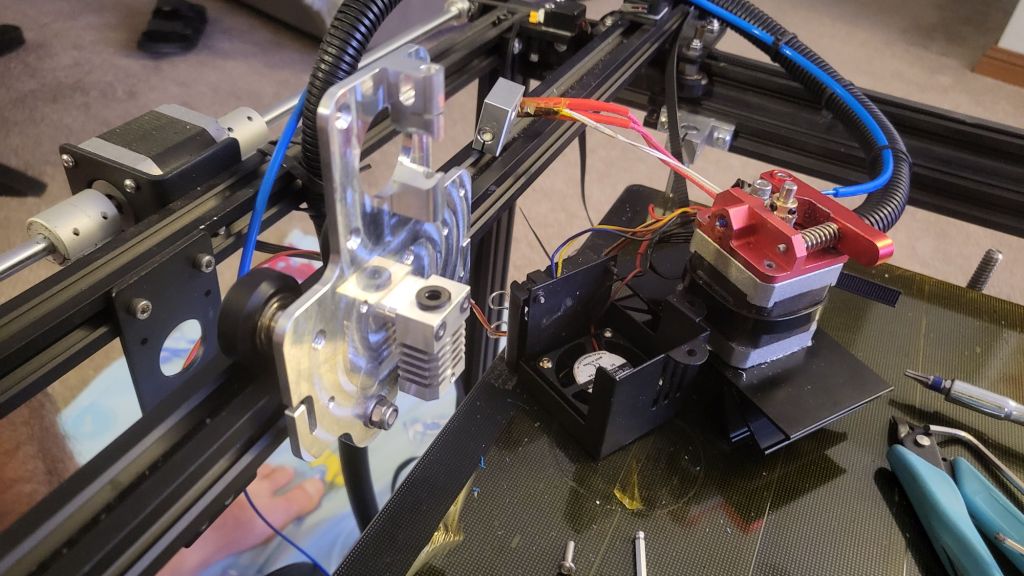
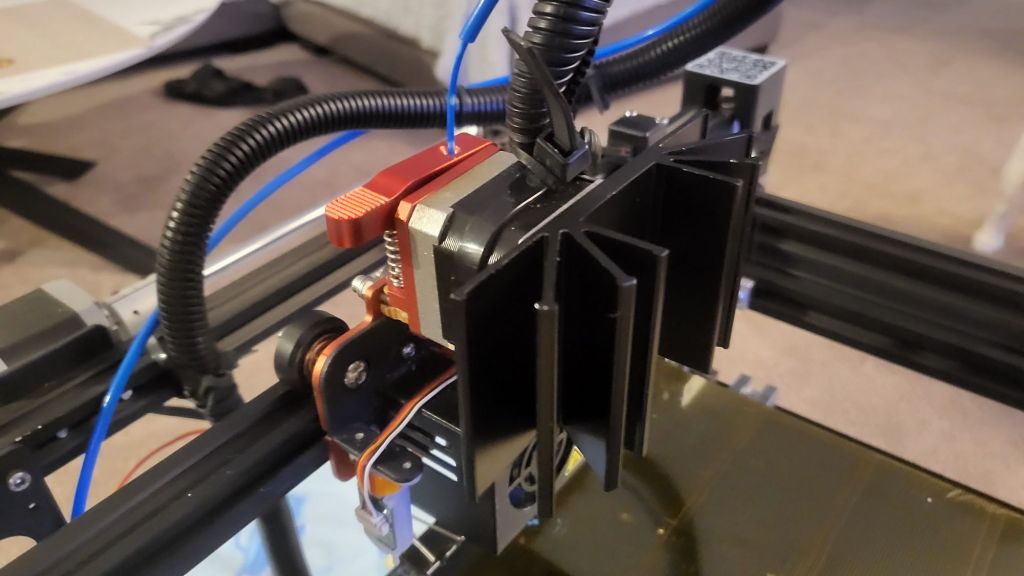
Images below are provided just for reference on how it looked out before the replacement.

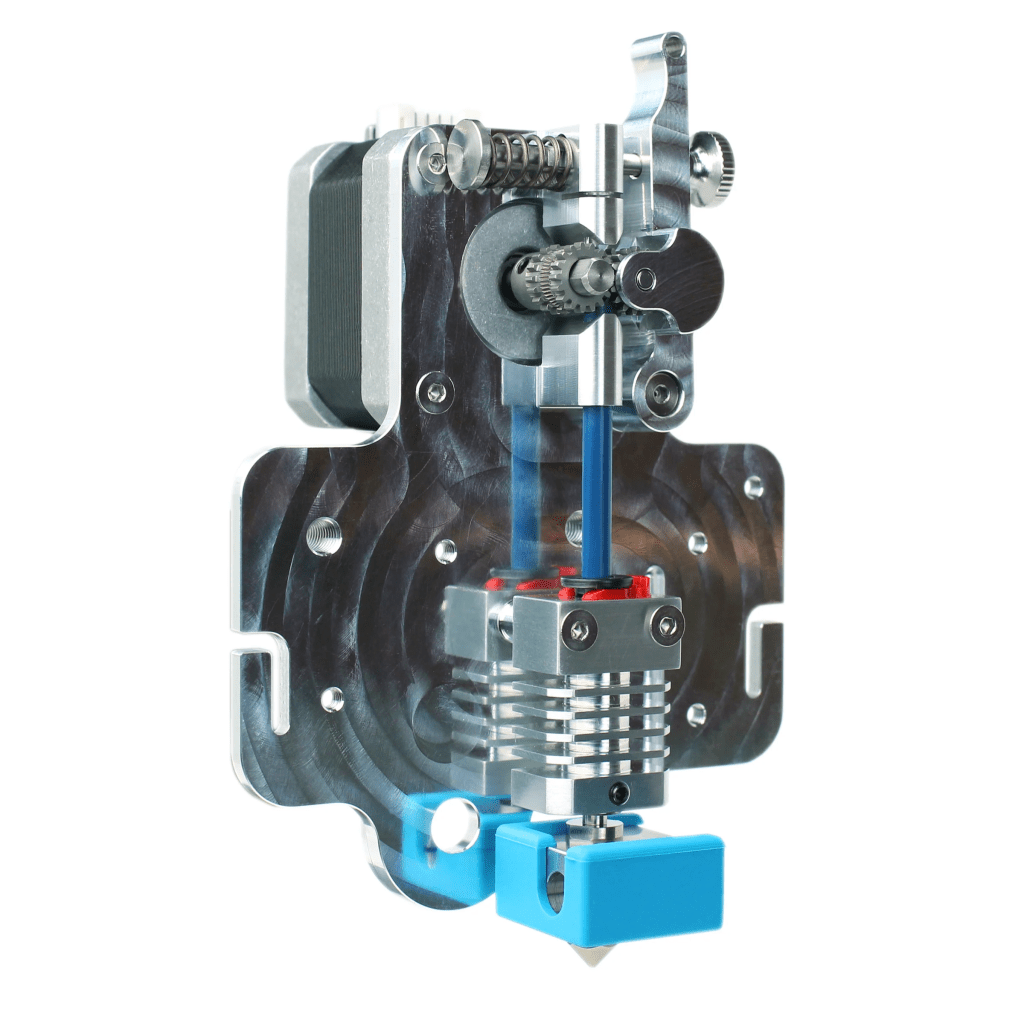
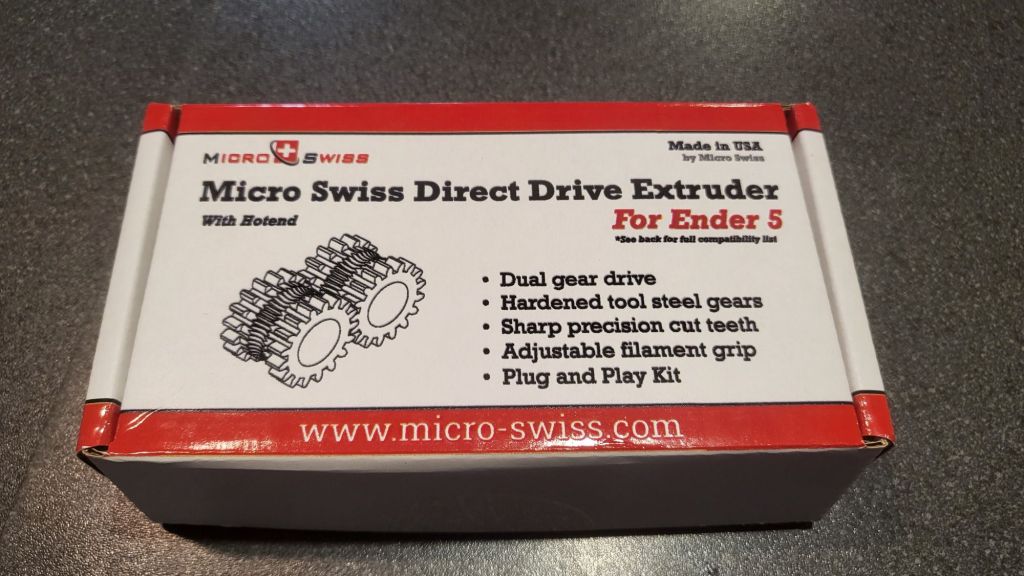
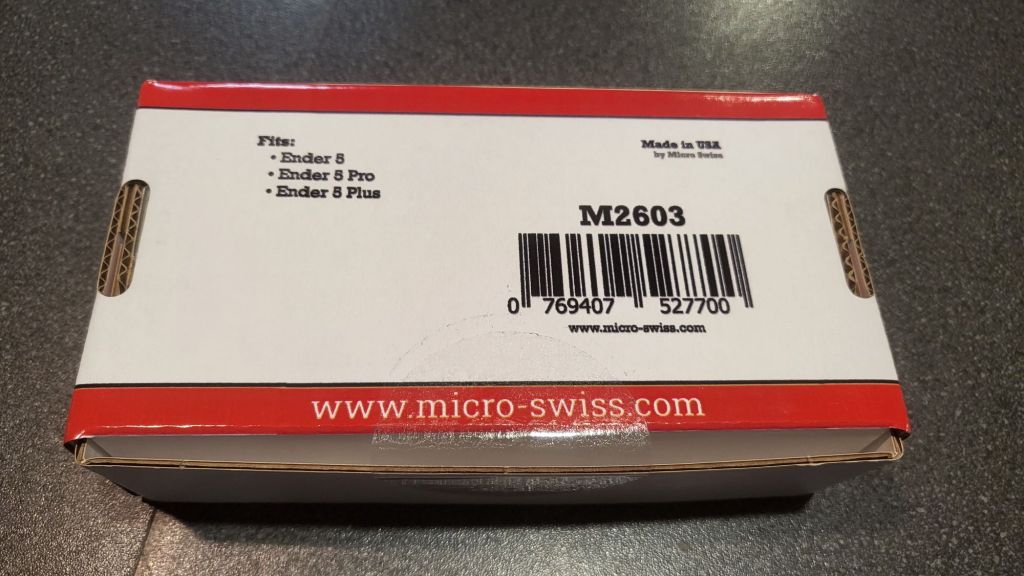
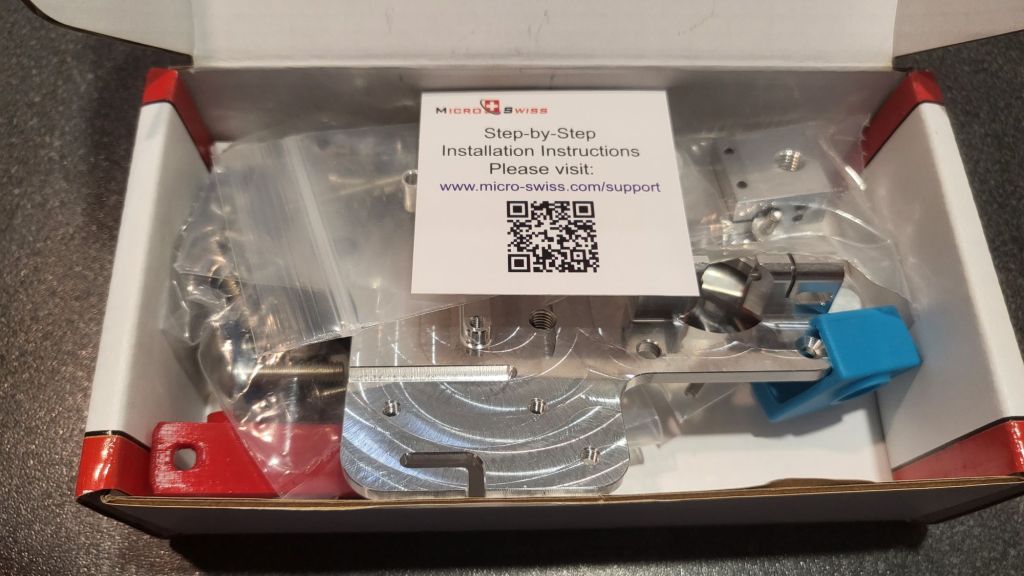
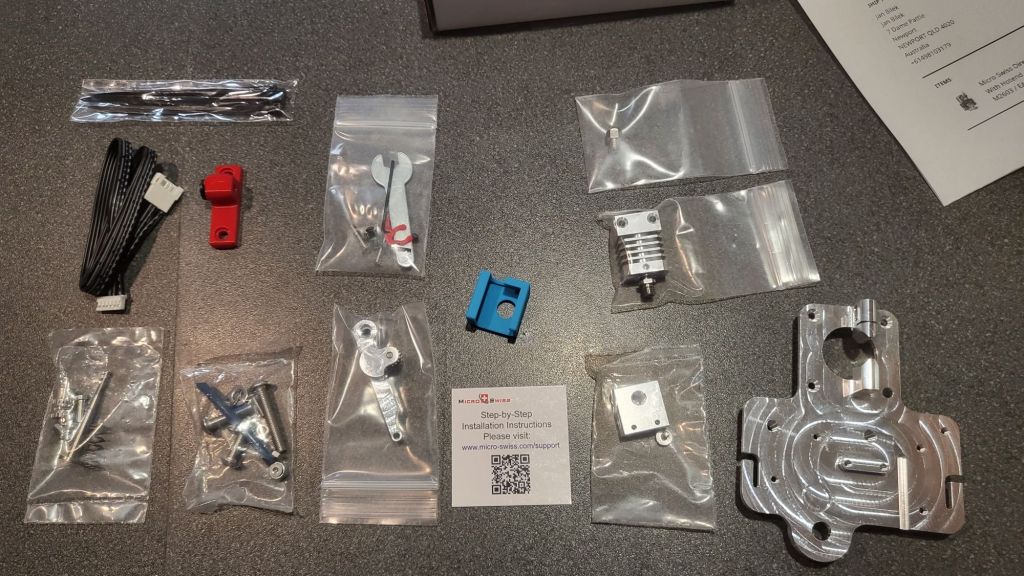
Obviously thinking about it for a while, just a simple replacement was put sideways on behalf of connecting this with an upgrade. Picked the best of the best – Micro Swiss Direct Drive Extruder for Creality Ender 5.

For a “shabby” $154 US it offers significant improvements as listed below – using the original description:

Micro Swiss Direct Drive Extruder is a drop in system for Ender 5 Printers

  • No modification required, simple plug and play
  • No printed brackets or sandwiches

Features:

  • Dual-drive train
  • Hardened tool steel, CNC precision cut gears
  • Adjustable filament grip
  • Easy filament loading
  • Short, highly constrained filament path
  • Prints flexible filaments with high speed and accuracy
  • Outstanding extrusion control
  • Lightweight aluminum body

A shipment from US surprisingly arrived in ~10 days, what was redicaly more efficient than my first try to source it locally from 3D Printers Online based in Windsor, NSW. If you come across these guys – don’t bother. My attempt to get the same from them ended up after two months with a refund, which still didn’t make it!

Anyway, package from Micro Swiss guys arrived quickly and in an excellent shape.

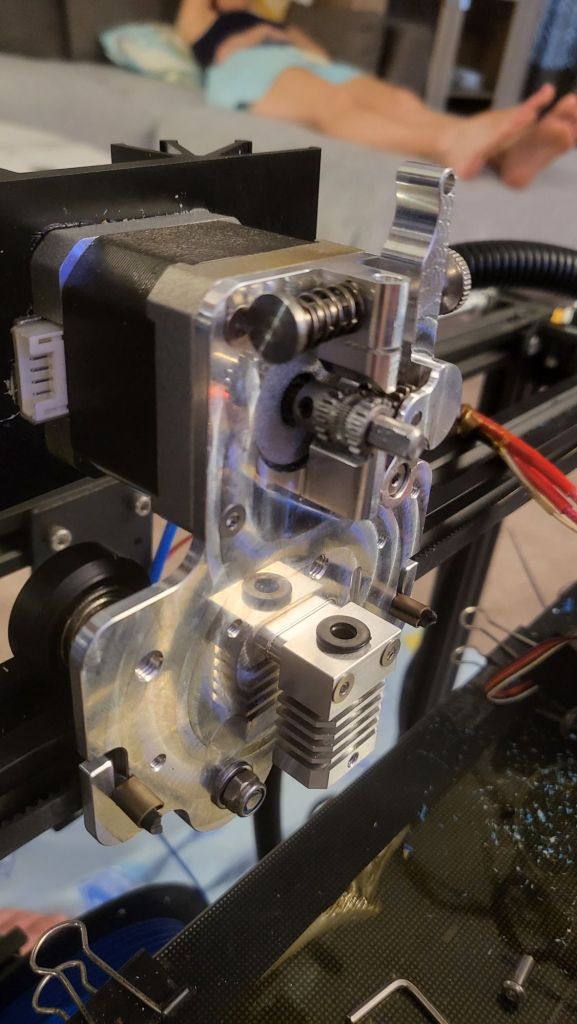
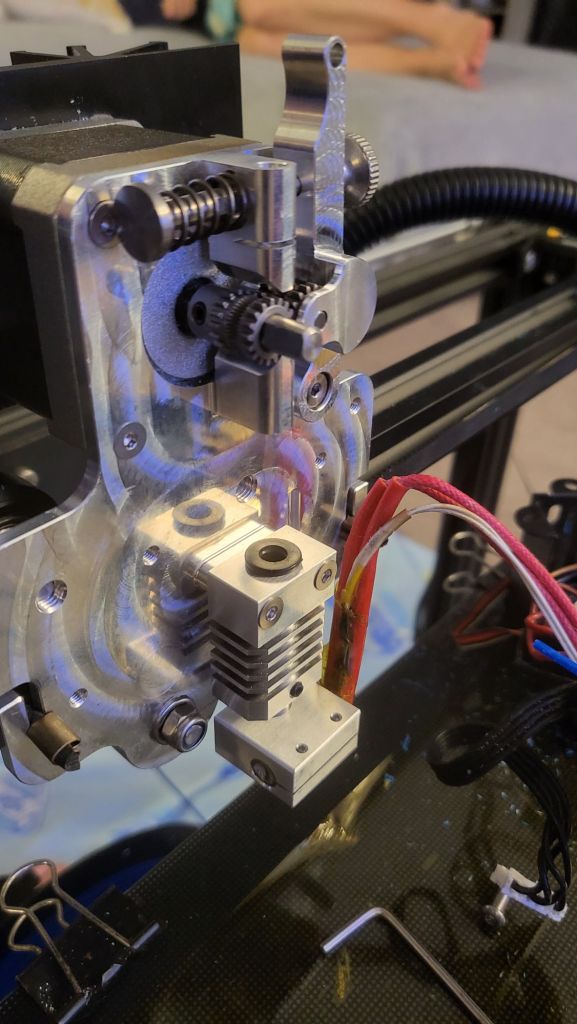
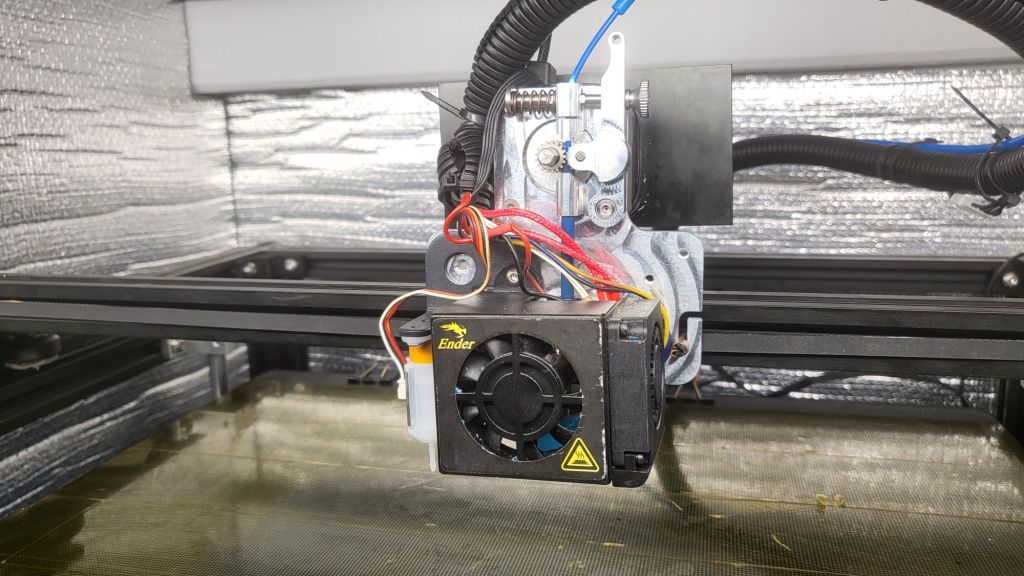
Then it was all about patiently do the replacement itself, while following the installation guide provided. I took few pictures throughout the procedure just to have some minor documentation on this.

All worked out well and all components shown being high-quality precisely manufactured, it really was a pleasure putting it together. At the end I did a test-run, where surprisingly filament have been pulled out instead of being pushed in, but looking in a box with leftovers, I found out a servo cable there, which fixed this instantly.

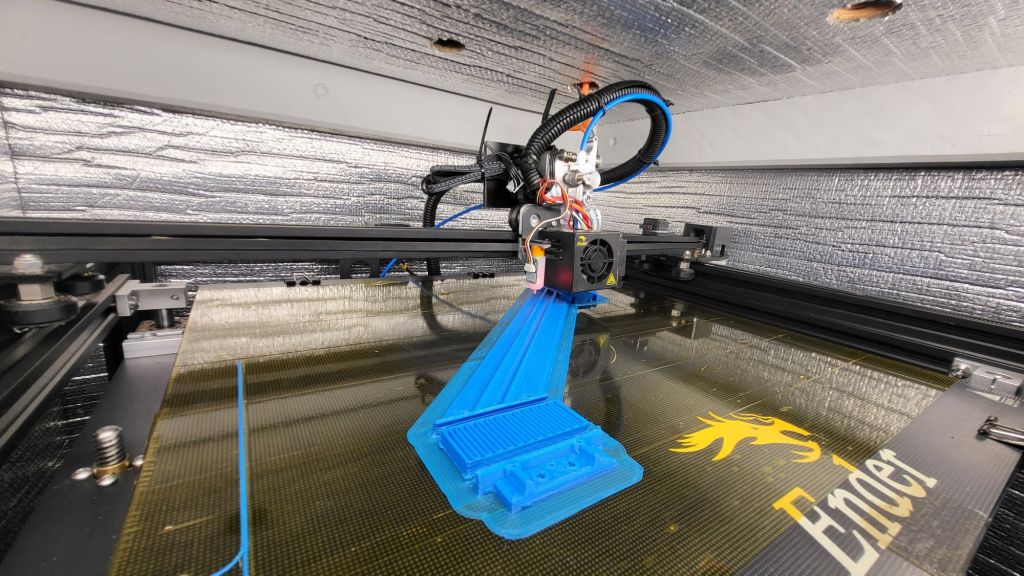
Printing test finally worked out nicely! Thank you Micro Swiss guys, this really unclogged our project again!