
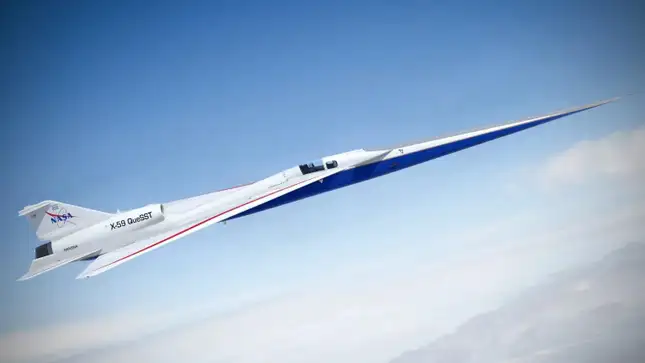
NASA is about to reveal their X-59 Quiet Supersonic Aircraft today (12th January 2024) and there are some interesting synergies with our Hydrogen airship project behind the scenes. The story of aviation is as much about innovation as it is about regulation. The X-59 project, led by NASA, is a direct response to the Federal Aviation Administration’s (FAA) ban on supersonic flight over land. On 27th April 1973 FAA issued a new rule which forbid super-sonic flights for all civilian aircraft over the land when the F-105 when supersonic just 20m over a school yard.
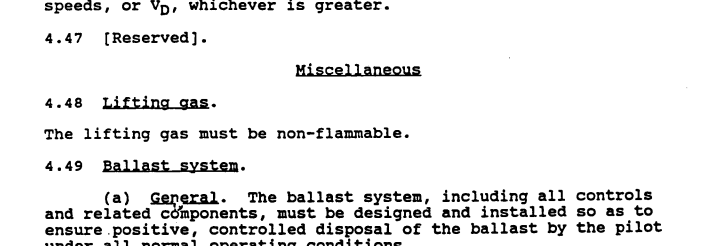
Parallelly, the hydrogen airship initiative confronts the FAA’s directive mandating the use of non-flammable gases for airships (“The lifting gas must be non-flammable.” (4.48)), a rule born from the ashes of historical airship disasters. Both projects are similar in their core objective: to demonstrate that modern technology can safely circumvent the reasons these regulations were first established.
Safety is paramount in aviation, and technological advancements have opened new doors. Modern materials, engineering practices, and electronics have significantly mitigated the risks once associated with hydrogen, not saying that hydrogen is being considered as an aircraft fuel. Similarly, the X-59’s design aims to reduce the sonic boom to a gentle thump, addressing the primary reason for the supersonic flight ban over land. These advancements are not just about pushing the envelope; they are about ensuring safety remains the top priority.
As the world grapples with environmental challenges, both projects offer a glimpse into a more sustainable future of aviation. Hydrogen airships promise a carbon-neutral mode of transport, a stark contrast to the heavy carbon footprint of conventional aircraft. In parallel, the X-59 aims to make faster air travel more environmentally friendly and publicly acceptable.
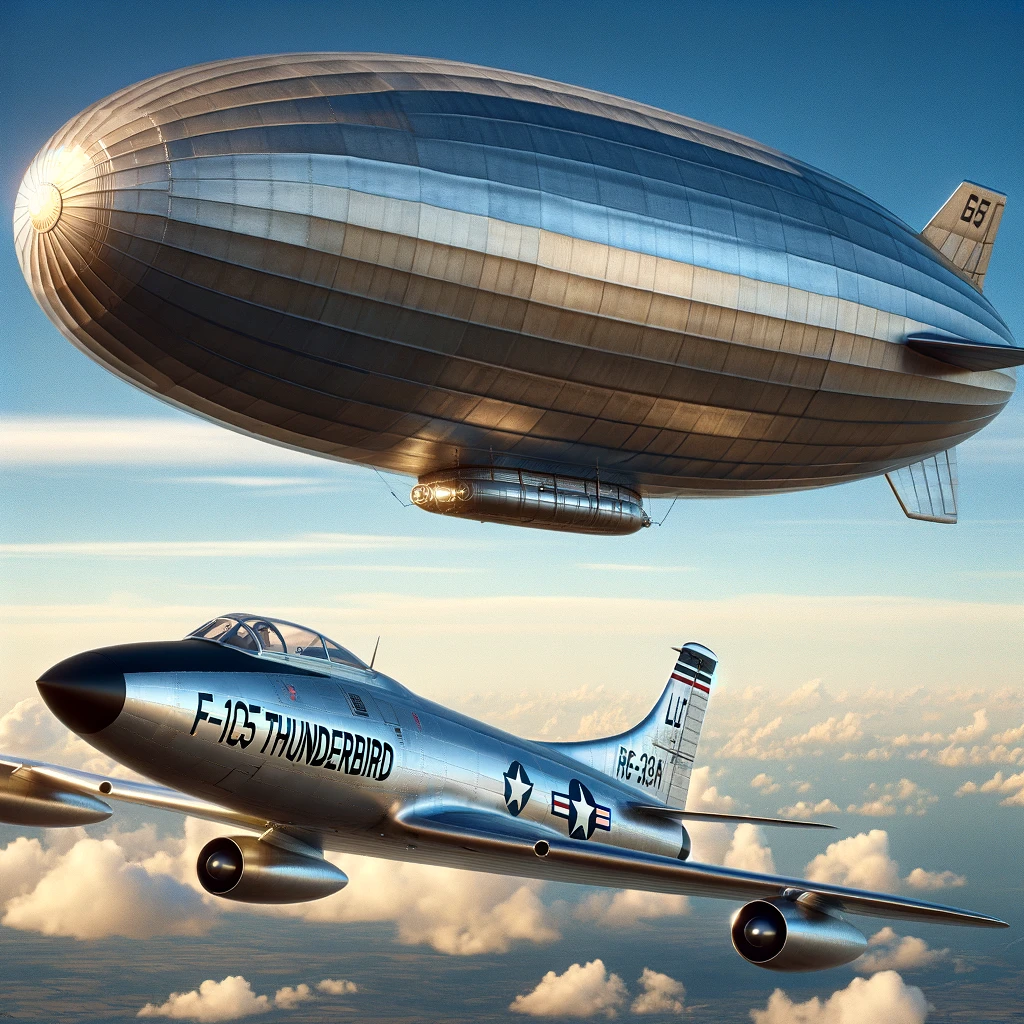
In both cases, changing public perception is crucial. The X-59 project is not just about engineering; it’s also about educating the public and reshaping perceptions about supersonic travel. Similarly, the hydrogen airship project needs to address public concerns, rooted in historical events like the Hindenburg disaster, by showcasing the safety and benefits of modern hydrogen-based technology.
The revival of supersonic travel and the renaissance of airships also draws a compelling parallel to the story of the Concorde, once the pinnacle of civilian supersonic travel. Despite its technological marvel, the Concorde was ultimately limited by regulations, economic factors, and environmental concerns. Today, as we witness the resurgence of these technologies, it’s a testament to how innovation, coupled with changing perceptions and regulations, can breathe new life into once-dormant aviation sectors. The Concorde’s story serves as a reminder and inspiration that with the right advancements and approaches, even the most ambitious aviation dreams can become feasible once again.

Just as NASA is using the X-59 as a demonstrator to gather data and prove the feasibility of quiet supersonic flight, a similar approach is proposed for hydrogen airships. Demonstrations and empirical data are vital in convincing regulatory bodies and the public alike. These studies will be crucial in providing the evidence needed to advocate for regulatory changes. Drawing inspiration from NASA’s engagement with the FAA, our project seeks to work closely with regulators like CASA here in Australia, ensuring that every step taken aligns with safety standards and regulatory concerns.
It is awesome to see that there are ways to change regulations made in a past. I think that we can potentially refer the success of the X-59 project on our use case, demonstrating that these technological advancements are not just about faster or more eco-friendly air travel; they represent the future of aviation. A future where regulations and technology are in harmony, paving the way for safer, quicker, and more environmentally friendly air travel.

 H2Use
H2Use 